Category: Decorating

  • How to Decorate Your Home on a Tight Budget

    How to Decorate Your Home on a Tight Budget

    Introduction

    Decorating on a budget doesn’t have to mean settling for a half-finished-looking home. It just means being smarter about where the money actually goes. I’ve moved into a few rental apartments over the years with barely any budget to spare, and the ones that ended up feeling the most “put together” weren’t the ones I spent the most on — they were the ones where I focused spending on a few key pieces instead of spreading it thin everywhere. If you’re trying to decorate home on a budget without it looking obviously cheap, this guide covers what genuinely works in 2026.


    1. Prioritize a Few Statement Pieces Over Many Small Ones

    Spreading a small budget across dozens of tiny decor items usually looks cluttered and unintentional.

    Quick answer: When you decorate home on a budget, spending on one or two statement pieces — a good rug, an interesting light fixture, or a striking piece of art — creates far more visual impact than buying many small, forgettable decor items.

    2. Rearrange Before You Buy Anything

    This costs literally nothing, and it’s the step most people skip entirely. I’ve noticed just moving existing furniture into a different layout can make a room feel completely refreshed.

    • Try moving your sofa away from the wall for a more open feel
    • Swap decor between rooms — a lamp from the bedroom might suit the living room better
    • Reassess furniture placement before assuming you need something new

    3. Thrift and Secondhand Shopping Actually Works

    Secondhand furniture markets and online resale platforms have genuinely good finds if you’re patient and check regularly. [link to related decorating ideas guide here]

    Direct answer: Thrifted or secondhand furniture, when chosen carefully, can look just as good as new pieces at a fraction of the cost — a fresh coat of paint or new hardware on an older piece often transforms it completely.

    4. DIY Simple Projects Instead of Buying Ready-Made

    Picture a small business owner in Jaipur who couldn’t afford new curtains for her café’s seating area — she dyed plain cotton fabric herself and stitched simple curtains for a fraction of store prices, and honestly, they looked more unique than anything store-bought.

    • Repaint old furniture instead of replacing it
    • Make simple no-sew curtains from affordable fabric
    • Create wall art using printed photos or affordable frames

    5. Use Plants as Affordable Decor

    Plants add life and color to a space for relatively little money, and they don’t feel “cheap” the way some decor shortcuts can.

    • A few potted plants cost far less than most decorative accessories
    • Group plants of varying heights for visual interest without buying anything else
    • Even artificial plants have improved significantly if maintenance is a concern

    6. Focus on Lighting — It Changes Everything

    Has this ever happened to you — a room that just feels “off” despite decent furniture? Often it’s the lighting, not the decor itself.

    • Swap harsh overhead lighting for warmer, layered lamp lighting
    • Affordable string lights add warmth without a big investment
    • Even changing bulb color temperature makes a noticeable difference

    7. Update Small Details Instead of Big Furniture

    Small, affordable swaps often create more visible change than people expect, without the cost of replacing major furniture pieces.

    • New cushion covers refresh a sofa without buying a new one
    • Updated cabinet or drawer hardware modernizes furniture cheaply
    • A new doormat or entryway rug improves first impressions affordably

    8. Shop Sales and Off-Season for Bigger Purchases

    For anything you genuinely need to buy new, timing matters. Festival sales and off-season discounts in India often bring significant price drops on furniture and decor. [link to related home improvement ideas guide here]


    Frequently Asked Questions

    Q1: What’s the cheapest way to make a room look decorated? Rearranging existing furniture and adding a few plants — both cost little to nothing and make an immediate visual difference.

    Q2: Is secondhand furniture a good option for budget decorating? Yes, especially with a fresh coat of paint or updated hardware, secondhand pieces can look just as good as new ones.

    Q3: How much should I budget for decorating a room affordably? A meaningful refresh is often possible for ₹5,000-₹15,000 per room, focusing on a few key pieces rather than a complete overhaul.

    Q4: What decorating mistakes should I avoid on a tight budget? Avoid buying many small, cheap items — they add clutter without impact. Prioritize fewer, better-chosen pieces instead.

    Q5: Are DIY decor projects actually cheaper than buying ready-made? Usually yes, especially for items like curtains, wall art, or refurbished furniture, though it requires more time and effort.

    Q6: When’s the best time to buy furniture and decor at lower prices? Festival seasons and end-of-season sales in India typically offer the best discounts on furniture and home decor items.


    Conclusion

    You genuinely can decorate home on a budget without it looking unfinished or cheap — it just takes more intention than throwing money at the problem. Start by rearranging what you already have, then invest selectively in one or two statement pieces that actually matter. Small, thoughtful changes consistently outperform a scattered spending approach, and your home will feel more “you” for it too.


    Suggested Image Alt Text:

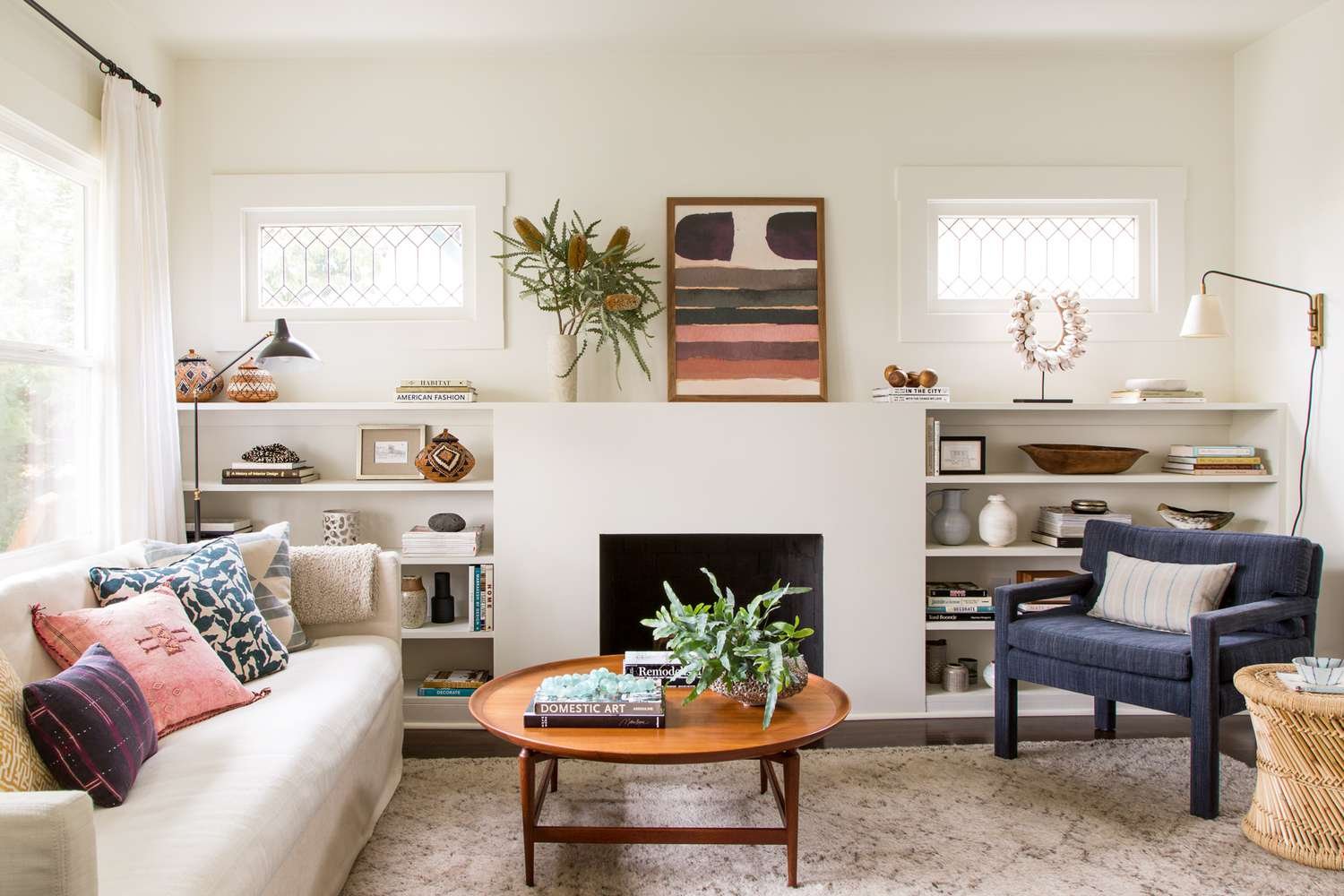
    1. “Budget-friendly living room decorated with plants and cushions”
    2. “Thrifted furniture repainted for an affordable home makeover”
    3. “Warm layered lighting transforming a budget-decorated room”
  • Small Space Decorating Ideas to Make Rooms Look Bigger

    Small Space Decorating Ideas to Make Rooms Look Bigger

    Introduction

    Small apartments get a bad reputation, mostly because people decorate them like they’re big ones and then wonder why everything feels cramped. Good small space decorating ideas aren’t about squeezing in less furniture — they’re about tricking the eye into perceiving more space than actually exists. I lived in a genuinely tiny one-bedroom for a couple of years and learned most of this through trial and error, usually after buying the wrong piece of furniture first. This guide covers what actually works for making compact rooms feel open, going into 2026.


    1. Use Mirrors Strategically

    This is probably the most effective trick in the entire list, and it costs relatively little compared to other options.

    Quick answer: Placing a large mirror opposite a window is one of the most effective small space decorating ideas because it reflects natural light and visually doubles the perceived depth of a room, making it feel significantly more open.

    2. Choose Furniture With Visible Legs

    Furniture that sits flush to the floor blocks sightlines and makes rooms feel heavier and more cluttered than they actually are.

    • Sofas and chairs with visible legs let light pass underneath
    • Creates a sense of continuous floor space, even in tight rooms
    • Avoid bulky, boxy furniture that visually “sits” on the floor

    I’ve noticed this one detail makes a bigger difference than people expect — the same room with leggy furniture versus flush furniture genuinely feels different in size.

    3. Stick to a Light, Cohesive Color Palette

    Dark colors absorb light and visually shrink a room. Light, cohesive tones do the opposite. [link to related paint color guide here]

    Direct answer: A light, cohesive color palette across walls, furniture, and textiles is one of the simplest small space decorating ideas, since consistent light tones eliminate visual breaks that make rooms feel choppy and smaller than they are.

    4. Go Vertical With Storage

    Picture a small business owner in Jaipur running a home studio from a compact apartment — she switched from floor-level storage bins to wall-mounted shelving, freeing up nearly 15% of her usable floor space without losing any storage capacity.

    • Wall-mounted shelves keep floor space clear
    • Tall, narrow bookcases draw the eye upward, making ceilings feel higher
    • Use vertical space in closets and corners often left empty

    5. Multi-Functional Furniture Saves Real Space

    Furniture that does double duty reduces the total number of pieces needed in a room, which directly impacts how open it feels.

    • Ottomans with storage double as seating and storage
    • Extendable dining tables work for daily use and occasional guests
    • Sofa beds eliminate the need for a separate guest room setup

    6. Keep Window Treatments Minimal

    Heavy curtains and layered window treatments block light and visually lower ceiling height. Has this ever crossed your mind while decorating — how much a bulky curtain rod can shrink a room’s perceived size?

    • Choose sheer or light-colored curtains that let natural light through
    • Mount curtain rods closer to the ceiling, not just above the window frame
    • Avoid excessive layering of blinds and curtains together

    7. Declutter Ruthlessly

    This sounds obvious, but it’s genuinely the most underrated item on this list. No decorating trick works if a small room is packed with unnecessary items.

    • Keep surfaces mostly clear — a few curated items look better than many small ones
    • Store seasonal items elsewhere, rotating decor rather than displaying everything at once
    • Use closed storage for visual clutter, open shelving only for a few intentional pieces

    8. Zone the Space Without Walls

    For studio apartments or open layouts, creating visual zones without physical walls helps rooms feel organized rather than chaotic. [link to related decorating ideas guide here]

    • Use rugs to define separate functional areas within one room
    • Different lighting fixtures can subtly signal a change in “zone”
    • Furniture arrangement itself can create implied boundaries between spaces

    Frequently Asked Questions

    Q1: What’s the single best trick to make a small room look bigger? Strategic mirror placement, especially opposite a window, tends to have the most immediate visual impact for the least cost and effort.

    Q2: Should small rooms always use light colors? Generally yes, though a well-lit small room can sometimes handle a bold accent wall without feeling cramped — balance matters more than avoiding color entirely.

    Q3: Does furniture size matter more than furniture quantity in small spaces? Both matter, but oversized furniture in a small room often has a bigger negative impact than simply having a few too many smaller pieces.

    Q4: Are open shelves better than closed cabinets for small spaces? A mix works best — closed storage hides clutter, while a few open shelves add personality without overwhelming the room visually.

    Q5: Can small space decorating ideas work in rental apartments? Yes, most of these tips — mirrors, furniture choice, color, decluttering — require no permanent changes and work well in rentals.

    Q6: How much does it typically cost to redecorate a small space using these ideas? Costs vary widely, but many of these changes (decluttering, rearranging, minimal curtains) cost very little beyond a few key purchases like mirrors or shelving.


    Conclusion

    The best small space decorating ideas aren’t about buying more — they’re about being intentional with what stays visible and how light moves through the room. Start with a mirror and a decluttering session this weekend; both cost little and make an immediate difference. From there, gradually swap in furniture with visible legs and vertical storage as your budget allows.


    Suggested Image Alt Text:

    1. “Large mirror reflecting natural light in a small living room”
    2. “Wall-mounted shelving maximizing storage in compact apartment”
    3. “Light-colored furniture with visible legs in a small bedroom”