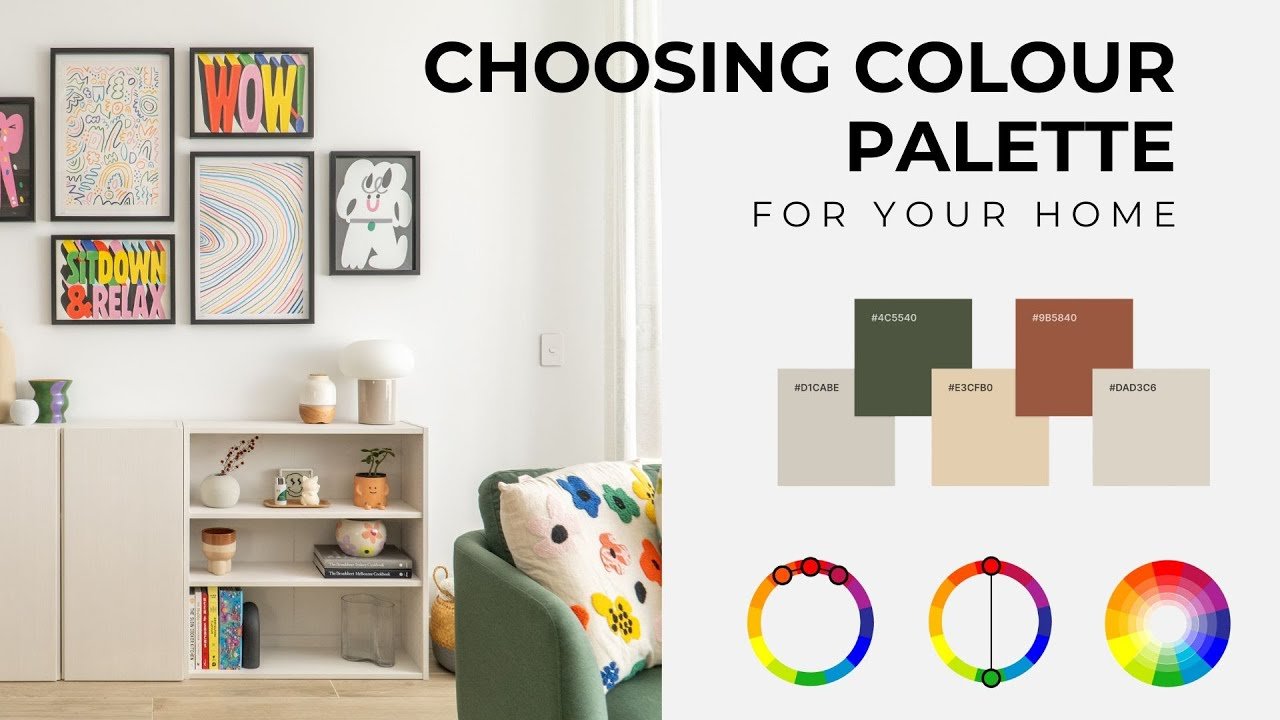
Category: Design

  • Home Color Palette Ideas: How to Choose the Right One

    Home Color Palette Ideas: How to Choose the Right One

    Introduction

    Choosing colors for an entire home feels a lot harder than picking one room’s paint shade. Suddenly you’re thinking about flow between spaces, how colors work together, and whether that bold accent wall will actually age well. Good home color palette ideas aren’t about following one trendy scheme blindly — they’re about building a system that works across your whole home, room by room, without feeling disjointed. I made the mistake early on of picking colors room by room with zero coordination, and the result felt chaotic walking through the house. This guide covers how to actually build a cohesive palette in 2026.


    1. Start With a Base Neutral

    Every good home color palette needs an anchor — a neutral that appears in some form across most rooms, tying everything together.

    Quick answer: The foundation of effective home color palette ideas is choosing one versatile neutral — like warm white, soft grey, or light beige — that can be used consistently across connected spaces, creating visual flow even as accent colors change room to room.

    2. Understand the 60-30-10 Rule

    This classic design principle genuinely simplifies decision-making, and it works well for Indian homes too.

    • 60% dominant color: usually walls, the largest visual surface
    • 30% secondary color: furniture, larger decor pieces
    • 10% accent color: cushions, art, smaller decorative details

    I’ve noticed people skip this ratio and end up with too many competing colors fighting for attention. Following even a rough version of 60-30-10 makes rooms feel more intentional.

    3. Consider Your Home’s Natural Light

    Light exposure dramatically affects how colors actually read once painted, something swatches on a screen or in-store rarely capture accurately. [link to related paint color guide here]

    Direct answer: North-facing rooms with cooler light generally suit warmer color palettes to balance the coolness, while south-facing rooms with abundant warm light can handle cooler tones like blues and greens without feeling cold.

    4. Choose a Palette Based on Mood, Not Just Trends

    Picture a small business owner in Jaipur who initially chose a trendy dark academia palette for her home office because it looked good online — within weeks, she found the space felt heavy and uninspiring for actual work. She switched to a lighter, sage-and-cream palette, and her mood in that room improved noticeably.

    • Calming spaces (bedrooms): soft blues, sage greens, muted lavenders
    • Energizing spaces (kitchens, workspaces): warm yellows, soft corals, bright whites
    • Social spaces (living rooms): warm neutrals, earthy tones, occasional bold accents

    5. Build Palettes Around a Single Inspiration Piece

    A rug, a piece of art, or even a favorite fabric can anchor an entire room’s color scheme, making decisions far easier than starting from scratch.

    • Pull 2-3 colors directly from your inspiration piece
    • Use the dominant color for walls, secondary tones for accents
    • This approach naturally prevents mismatched, random color choices

    6. Test Colors Together, Not in Isolation

    Has this ever happened to you — loving a color on its own, then realizing it clashes badly once placed next to your existing furniture or flooring? Testing combinations together avoids this entirely.

    • Hold paint swatches next to existing furniture and flooring before deciding
    • Test combinations in the actual room, under actual lighting conditions
    • Consider how adjacent rooms’ colors will look together through open doorways

    7. Don’t Ignore Flooring and Fixed Elements

    Tiles, wood flooring, and countertops are expensive to change, so your color palette should work around them rather than against them. [link to related flooring comparison guide here]

    • Warm-toned wood flooring pairs well with warm neutral palettes
    • Cool-toned grey tiles work better with cooler color schemes
    • Match undertones, not just general color categories, for a cohesive look

    8. Allow Room for Evolution

    A color palette doesn’t need to be permanent or perfectly planned from day one. Starting with a solid neutral base gives you flexibility to update accent colors as tastes change, without a full repaint.


    Frequently Asked Questions

    Q1: How many colors should a home color palette include? Generally 3-5 colors work best — one dominant neutral, one or two secondary tones, and one or two accent colors for details.

    Q2: Should every room in my home use the same color palette? Not identical, but connected — sharing a base neutral across rooms while varying accent colors creates cohesion without monotony.

    Q3: How do I know if a color will look different once painted on a full wall? Always test a large sample swatch (at least 2×2 feet) on the actual wall and observe it under different lighting throughout the day.

    Q4: What’s a safe color palette for a home I plan to sell eventually? Warm neutrals with subtle, easily updatable accent colors tend to appeal to the widest range of potential buyers.

    Q5: Can I mix warm and cool tones in one home color palette? It’s possible but requires care — generally, sticking to one dominant temperature (warm or cool) throughout creates a more cohesive result.

    Q6: How often should a home color palette be updated? There’s no fixed timeline, but many homeowners refresh accent colors every 3-5 years while keeping the neutral base consistent longer.


    Conclusion

    Solid home color palette ideas come down to building a flexible system rather than picking colors room by room in isolation. Start with a neutral base, apply the 60-30-10 rule loosely, and test combinations directly in your space before committing to gallons of paint. Take it one room at a time if the whole-home approach feels overwhelming — consistency matters more than speed here.


    Suggested Image Alt Text:

    1. “Warm neutral color palette swatches for home design”
    2. “Living room showing 60-30-10 color rule applied”
    3. “Sage green and cream color scheme in a home office”
  • 10 Interior Design Trends Dominating 2026

    10 Interior Design Trends Dominating 2026

    Introduction

    Every year brings a fresh batch of “trends” that mostly amount to recycled ideas with new names attached. Some of the interior design trends 2026 genuinely feel different, though — driven by practical shifts like smaller living spaces, sustainability concerns, and people spending more time at home than they used to. I’ve been watching design shifts for a few years now, and this year feels like a real move away from the overly minimalist, all-white aesthetic that dominated for so long. Here’s what’s actually showing up in homes right now, not just design magazines.


    1. Warm Minimalism Replaces Stark Minimalism

    Pure white, sterile minimalism is fading. What’s replacing it feels warmer without losing the clean, uncluttered appeal.

    Quick answer: One of the clearest interior design trends 2026 is warm minimalism — combining clean, uncluttered layouts with earthy tones, natural textures, and warmer lighting, moving away from the stark white aesthetic that dominated previous years.

    2. Curved and Organic Furniture Shapes

    Sharp, angular furniture is giving way to softer, rounded silhouettes. Curved sofas, oval coffee tables, and rounded mirrors are showing up everywhere this year.

    I’ve noticed this shift feels particularly good in smaller Indian apartments — curved furniture creates better flow in tight spaces compared to boxy, angular pieces that eat into walkways.

    3. Biophilic Design Continues Growing

    Bringing nature indoors isn’t new, but it’s expanding beyond just a few potted plants into genuinely integrated design choices. [link to related low maintenance garden guide here]

    Direct answer: Biophilic design in 2026 goes beyond decorative plants to include natural materials like rattan and wood, maximized natural light, and layouts that create a visible connection to outdoor spaces — a defining element of current interior design trends 2026.

    4. Multi-Functional Furniture for Compact Living

    Picture a small business owner in Jaipur who converted her one-bedroom apartment’s living room into a flexible workspace using a fold-away desk and a storage ottoman — this kind of adaptable furniture is increasingly central to how smaller urban homes are being designed.

    • Sofa beds and extendable dining tables remain popular for flexible living
    • Nesting tables and stackable storage solutions maximize compact spaces
    • Wall-mounted, fold-away furniture is gaining traction in studio apartments

    5. Textured Walls Over Flat Paint

    Flat, single-color walls are getting texture treatments — limewash finishes, textured plaster, and fabric wall panels add depth without needing bold color.

    • Limewash paint creates a subtle, artisanal texture on walls
    • Textured plaster finishes work particularly well in living and dining areas
    • Fabric or wood paneling adds warmth to bedroom accent walls

    6. Sustainable and Local Materials

    Sustainability isn’t just a buzzword this year — it’s genuinely influencing material choices. Has this crossed your mind when furniture shopping — where the materials actually come from?

    • Locally sourced wood and stone reduce environmental impact
    • Reclaimed and upcycled furniture pieces are gaining mainstream appeal
    • Natural fiber textiles (jute, cotton, linen) replace synthetic alternatives increasingly

    7. Statement Lighting as Functional Art

    Lighting fixtures have moved from purely functional to genuine design statements, often serving as a room’s focal point rather than an afterthought.

    • Sculptural pendant lights over dining tables and kitchen islands
    • Layered lighting combining ambient, task, and accent sources
    • Warm-toned bulbs replacing cooler, harsher lighting throughout homes

    8. Personalized, Maximalist Accents Within Minimal Frameworks

    Interestingly, pure minimalism is softening to allow more personal expression — bold art pieces, family heirlooms, or collected objects displayed intentionally within an otherwise simple space.

    • One or two statement art pieces within a neutral room
    • Curated collections displayed rather than hidden away
    • Personal, meaningful objects taking priority over generic decor

    Frequently Asked Questions

    Q1: What’s the biggest shift in interior design trends 2026 compared to previous years? The move away from stark, all-white minimalism toward warmer, textured, and more personalized spaces is the most noticeable shift this year.

    Q2: Are these design trends practical for small Indian apartments? Yes, many of these trends — multi-functional furniture, curved shapes, biophilic elements — are particularly well-suited to compact urban living spaces.

    Q3: Is sustainable material sourcing more expensive than conventional options? Sometimes slightly, but locally sourced and reclaimed materials can actually be more affordable than imported alternatives in many cases.

    Q4: Do I need to redecorate my entire home to follow these trends? Not at all — incorporating one or two elements, like textured walls or statement lighting, can refresh a space without a full renovation.

    Q5: How long do interior design trends typically last? Some trends fade within a year or two, while others, like biophilic design, have shown staying power over multiple design cycles.

    Q6: What’s a budget-friendly way to try these trends without major investment? Start with lighting and textiles — swapping bulbs, adding textured cushions, or introducing plants requires minimal investment for noticeable impact.


    Conclusion

    These interior design trends 2026 point toward warmer, more personalized spaces that still feel intentional rather than cluttered. You don’t need to overhaul your entire home to incorporate them — pick one or two elements that genuinely resonate, whether that’s textured walls, curved furniture, or better lighting. Design trends come and go, but comfort and personal connection to your space rarely go out of style.


    Suggested Image Alt Text:

    1. “Warm minimalist living room with earthy tones and natural textures”
    2. “Curved sofa design reflecting 2026 interior trends”
    3. “Statement pendant lighting over a dining table”