Category: Cleaning

  • Eco-Friendly Cleaning Products That Actually Work

    Eco-Friendly Cleaning Products That Actually Work

    Introduction

    I’ll be honest — I used to think eco-friendly cleaning products were mostly marketing. Pretty packaging, a leaf logo, and a price tag 30% higher than the regular stuff, but not much difference in actual performance. After using a bunch of them over the past couple of years, I’ve changed my mind on some, and stayed skeptical about others. This isn’t a “everything green is great” article. It’s a practical rundown of what genuinely works, what’s overhyped, and how to tell the difference before your next grocery run in 2026.


    1. What “Eco-Friendly” Actually Means (And What It Doesn’t)

    The term gets thrown around loosely. Not every product labeled “natural” or “green” is actually better for the environment or your health.

    Quick answer: Genuine eco-friendly cleaning products are typically biodegradable, free of harsh synthetic chemicals like phosphates and chlorine bleach, and packaged in recyclable or reduced plastic — not just labeled “natural” without ingredient transparency.

    2. Vinegar-Based Cleaners for Surfaces

    Plain white vinegar diluted with water works surprisingly well on glass, countertops, and bathroom tiles. It’s cheap, widely available, and doesn’t leave the harsh chemical smell that some commercial cleaners do.

    I’ve noticed vinegar struggles a bit on tough grease, though — it’s better for general surface cleaning than heavy kitchen grime.

    3. Baking Soda for Scrubbing and Deodorizing

    This one genuinely surprised me. Baking soda paste handles grout stains, oven grime, and even smelly drains better than several commercial products I’ve tried. [link to related deep cleaning checklist here]

    • Mix with water for a scrubbing paste on tough stains
    • Sprinkle in shoes or fridge as a natural deodorizer
    • Combine with vinegar for stubborn drain clogs

    4. Plant-Based Commercial Cleaners

    Several brands now offer plant-derived formulas that skip harsh synthetic surfactants. These tend to cost more, but for households with small kids or pets, the reduced chemical exposure is worth considering.

    Direct answer: Plant-based commercial cleaners generally cost 20-40% more than conventional options, but the reduced chemical exposure makes them worthwhile for households with children, pets, or family members with respiratory sensitivities.

    5. Reusable Cleaning Cloths Over Disposable Wipes

    Picture a small business owner in Jaipur running a small café — she switched from disposable wipes to washable microfiber cloths and cut her monthly cleaning supply cost significantly, while also reducing waste heading to landfills.

    • Microfiber cloths last 100+ washes if maintained properly
    • Reduce plastic waste from single-use wipe packaging
    • Slightly higher upfront cost, but cheaper over months

    6. Lemon and Citrus-Based Solutions

    Citrus oils cut through grease effectively and leave a genuinely pleasant smell without synthetic fragrance chemicals. Works particularly well on kitchen counters and cutting boards.

    Has this ever bothered you — that overpowering “clean” smell from regular cleaners that’s actually just strong fragrance chemicals? Citrus-based options smell clean because they’re actually breaking down grime, not masking odor.

    7. Concentrated Cleaners to Reduce Plastic Waste

    Concentrated formulas that you dilute yourself at home cut down significantly on plastic packaging waste. One small concentrated bottle can replace 3-4 regular-sized bottles over time.

    • Look for concentrate ratios (e.g., 1:10 dilution) on packaging
    • Reuse existing spray bottles instead of buying new ones each time
    • Often cheaper per use despite higher upfront cost

    8. What to Watch Out For (Greenwashing Signs)

    Not everything marketed as eco-friendly deserves the label. Watch for these red flags before paying a premium.

    • Vague terms like “natural” with no ingredient list provided
    • Excessive plastic packaging despite eco-branding
    • No actual certification, just green-colored packaging design

    Frequently Asked Questions

    Q1: Are eco-friendly cleaning products as effective as regular ones? For general cleaning, yes. For heavy grease or tough stains, some natural options need more scrubbing effort or repeated application.

    Q2: Are eco-friendly cleaning products more expensive? Often slightly, yes — typically 15-30% more than conventional products, though concentrated formulas can offset this over time.

    Q3: Can I make my own eco-friendly cleaning products at home? Absolutely. Vinegar, baking soda, and lemon cover a surprising range of household cleaning needs at a fraction of commercial product cost.

    Q4: Are eco-friendly cleaners safe around pets and children? Generally safer than harsh chemical cleaners, but always check specific ingredients, since “natural” doesn’t automatically mean non-irritating.

    Q5: How can I tell if a product is genuinely eco-friendly? Look for actual certifications, ingredient transparency, and reduced packaging — not just green colors or vague marketing terms.

    Q6: Do eco-friendly products help reduce indoor air pollution? Yes, since many skip harsh synthetic fragrances and VOCs found in conventional cleaners, which can affect indoor air quality over time.


    Conclusion

    Genuine eco-friendly cleaning products aren’t about paying more for a nicer label — they’re about ingredients that actually reduce chemical exposure and environmental impact. Start simple: swap one or two harsh chemical cleaners for vinegar, baking soda, or a trusted plant-based brand, and see how it works for your household. Small swaps add up faster than people expect.


    Suggested Image Alt Text:

    1. “Vinegar and baking soda used as eco-friendly cleaning products”
    2. “Reusable microfiber cloths replacing disposable cleaning wipes”
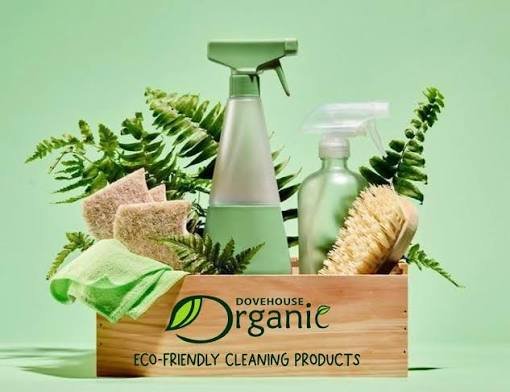
    3. “Plant-based cleaning spray bottle on kitchen countertop”
  • Deep Cleaning Checklist: The Ultimate Spring Cleaning Guide

    Deep Cleaning Checklist: The Ultimate Spring Cleaning Guide

    Introduction

    Every year I tell myself spring cleaning will take a weekend. Every year it takes longer, mostly because I never plan it properly. A good spring cleaning checklist isn’t about cleaning everything at once — it’s about breaking the house into manageable chunks so you’re not standing in the middle of a half-cleaned kitchen wondering where the afternoon went. This guide walks through a room-by-room approach that’s realistic for busy households in 2026, not some idealized version where you finish everything before lunch.


    1. Start With a Plan, Not a Sponge

    Before touching a single surface, walk through the house and make a list. Which rooms need the most work? What’s been ignored the longest?

    Quick answer: An effective spring cleaning checklist starts with a room-by-room walkthrough to prioritize high-neglect areas — like under furniture, ceiling corners, and storage spaces — before jumping into actual cleaning.

    2. Kitchen Deep Clean

    The kitchen accumulates grease and grime faster than any other room, and it shows if ignored for months.

    • Clean inside the chimney and exhaust fan (grease buildup here is often worse than people expect)
    • Wipe down cabinet interiors, not just the visible fronts
    • Descale the electric kettle and clean the fridge coils at the back

    I’ve noticed people clean kitchen counters weekly but skip the fridge coils for years. Those coils affect cooling efficiency — worth the ten minutes it takes.

    3. Bathroom Deep Clean

    Bathrooms need more than a quick wipe during spring cleaning. Grout, exhaust fans, and drain traps are the usual culprits people forget.

    Direct answer: A thorough bathroom deep clean should include scrubbing grout lines, cleaning the exhaust fan blades, and clearing drain traps of hair and debris — areas that regular weekly cleaning typically misses.

    • Scrub tile grout with a baking soda paste for stubborn stains
    • Clean exhaust fan blades (dust buildup reduces airflow significantly)
    • Descale showerheads and taps with vinegar soak

    4. Bedroom and Wardrobe Reset

    Picture a small business owner in Jaipur who runs her tailoring work from a home studio — fabric dust settles everywhere, especially in wardrobes and under the bed. Spring cleaning here means more than dusting; it means actually moving furniture.

    • Flip or rotate mattresses if it’s been over 6 months
    • Clear out and reorganize wardrobes, donating unused clothes
    • Vacuum under the bed — this spot gets skipped almost universally

    5. Living Room and Common Areas

    This is where most guests spend time, so neglect shows quickly here. [link to related decorating ideas guide here]

    • Deep clean upholstery and cushion covers
    • Dust ceiling fans and light fixtures (often forgotten during regular cleaning)
    • Clean behind and under heavy furniture like sofas and TV units

    6. Windows, Curtains, and Blinds

    Has this ever happened to you — you clean the whole house and forget the windows entirely? Dusty curtains and streaky windows undo a lot of the visual impact of a clean home.

    • Wash curtains or send heavy drapes for dry cleaning
    • Clean window tracks, where dust and grime collect unnoticed
    • Wipe down blinds slat by slat — tedious, but it makes a visible difference

    7. Storage Areas and Forgotten Corners

    Store rooms, top shelves, and under-sink cabinets rarely get touched outside of spring cleaning. This is also a good time to check for pest activity while everything’s out. [link to related pest control mention in maintenance checklist here]

    • Check expiry dates on stored cleaning supplies and medicines
    • Reorganize storage boxes and discard what’s genuinely unused
    • Inspect for termite or pest signs in wooden storage units

    8. Final Walkthrough and Touch-Ups

    Once the major cleaning’s done, do a final walkthrough. Small things get missed even with the best spring cleaning checklist — light switches, door handles, remote controls.


    Frequently Asked Questions

    Q1: How long does a full spring cleaning usually take? For an average home, spreading it over a weekend (2 full days) works better than trying to finish everything in one day.

    Q2: What’s commonly forgotten during spring cleaning? Fridge coils, exhaust fan blades, and window tracks — these get skipped in regular weekly cleaning and pile up unnoticed.

    Q3: Should I hire professional cleaners for spring cleaning? For deep upholstery or carpet cleaning, professionals often do a better job. Most other tasks are manageable DIY with the right supplies.

    Q4: What natural cleaning solutions work well for deep cleaning? Baking soda paste for grout, vinegar solutions for descaling, and lemon for cutting grease are effective, budget-friendly options.

    Q5: How often should deep cleaning be done? Twice a year is generally sufficient for most homes — once before summer and once before or after monsoon.

    Q6: What should I do with items I no longer need during cleaning? Donate usable items, and consider selling or recycling anything else rather than just discarding everything.


    Conclusion

    A proper spring cleaning checklist works best when it’s broken into rooms and tackled over a couple of days, not rushed through in one exhausting session. Start with the kitchen and bathroom since they show neglect fastest, then move through the rest of the house at your own pace. Pick one room this weekend and just start — momentum tends to carry the rest.


    Suggested Image Alt Text:

    1. “Deep cleaning kitchen cabinets and exhaust fan during spring cleaning”
    2. “Scrubbing bathroom tile grout as part of spring cleaning checklist”
    3. “Organizing wardrobe and donating clothes during home deep clean”