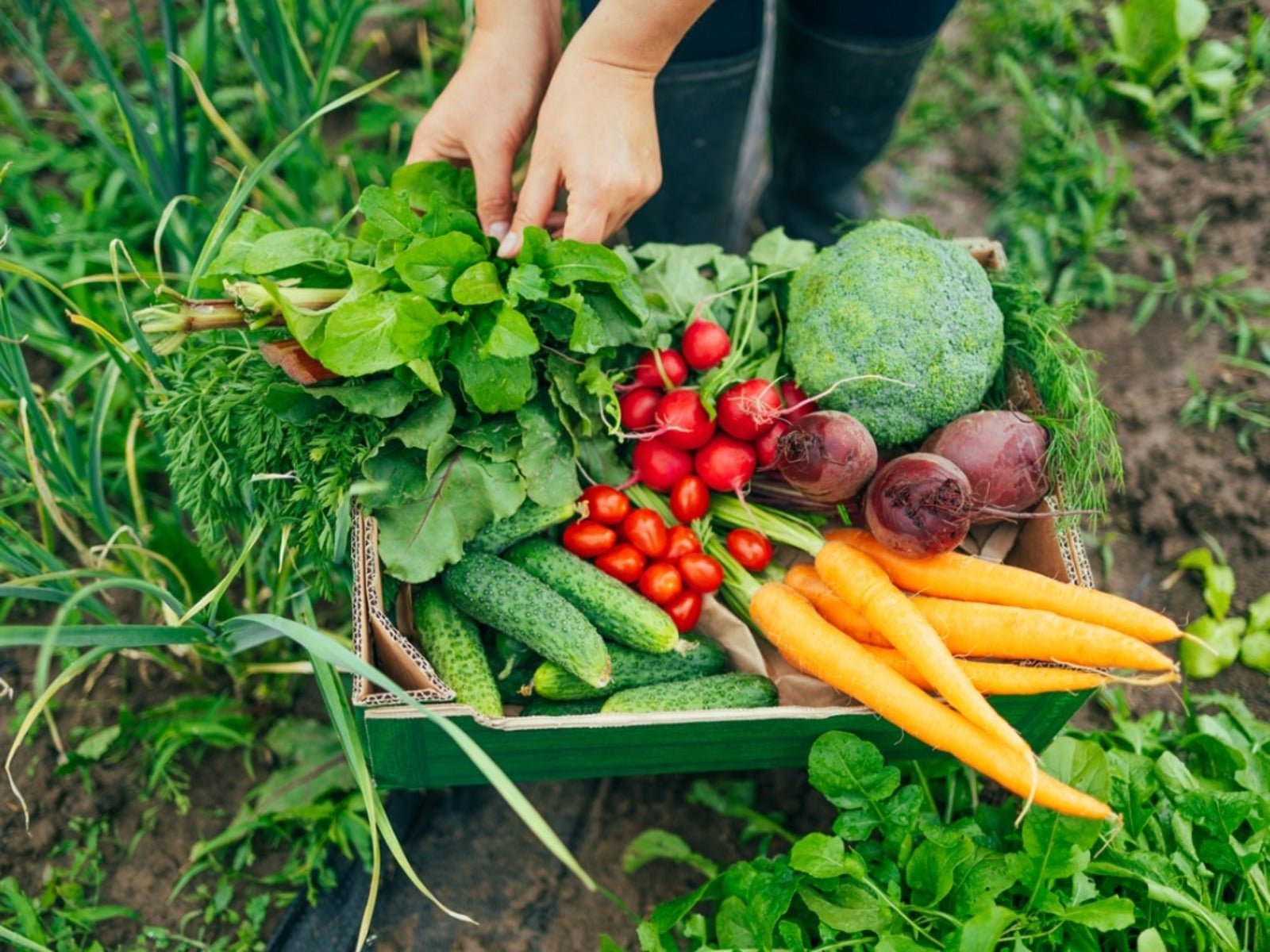
Category: Gardens

  • Best Vegetables to Grow in a Small Backyard Garden

    Best Vegetables to Grow in a Small Backyard Garden

    Introduction

    Everyone assumes you need a huge plot of land to grow your own vegetables. You really don’t. A small backyard vegetable garden, even a few pots on a terrace, can produce more than you’d expect if you pick the right plants. I started with four pots on a balcony a couple of years back, mostly out of curiosity, and ended up with more tomatoes than I knew what to do with. This guide covers vegetables that genuinely do well in limited space, without needing constant attention or expert-level gardening skills.


    1. Tomatoes — The Easiest Starting Point

    Tomatoes are forgiving, productive, and grow well in containers as small as 12-14 inches in diameter.

    Quick answer: Tomatoes are one of the best choices for a small backyard vegetable garden because they thrive in containers, need only 6 hours of sunlight daily, and produce continuously for months once established.

    I’ve noticed cherry tomato varieties do especially well in Indian home gardens — smaller, faster to fruit, and less fussy about soil quality than larger beefsteak varieties.

    2. Chillies and Peppers

    These take up very little space and are almost impossible to kill once established. A single chilli plant can produce for 8-10 months in the right climate.

    • Grow in pots as small as 8-10 inches
    • Water moderately — overwatering is the main risk, not underwatering
    • Harvest regularly to encourage continuous production

    3. Leafy Greens (Spinach, Methi, Coriander)

    These are the fastest-growing option for anyone impatient to see results. Most leafy greens are ready for harvest within 25-35 days of sowing.

    Direct answer: Leafy greens like spinach, methi, and coriander are ideal for small spaces because they grow in shallow containers, mature quickly within a month, and can be re-sown continuously for a steady harvest throughout the season.

    4. Brinjal (Eggplant)

    Brinjal does surprisingly well in containers and tolerates Indian summer heat better than many other vegetables. Picture a small business owner in Jaipur growing brinjal on her rooftop — despite peak summer temperatures, her plants kept producing with just regular watering and occasional feeding.

    • Needs a container at least 14-16 inches deep
    • Prefers full sun, at least 6-8 hours daily
    • Harvest when skin is glossy, before seeds harden

    5. Okra (Bhindi)

    Okra grows fast, tolerates heat well, and doesn’t need elaborate care. It’s one of the more forgiving vegetables for beginners in a backyard vegetable garden setup.

    • Sow directly into containers rather than transplanting seedlings
    • Harvest pods young — overripe okra turns fibrous and tough
    • Needs consistent watering during flowering stage

    6. Radishes for Quick Wins

    If you want something to show results fast, radishes are ready in as little as 25-30 days. They’re also genuinely easy to grow in shallow containers.

    Has this ever happened to you — planting something and losing patience before it’s even close to ready? Radishes solve that problem nicely.

    7. Beans (Cluster Beans or French Beans)

    Beans are a good vertical option if space is genuinely tight. Growing them along a trellis or fence saves ground space while still producing a decent yield. [link to related low maintenance garden guide here]

    • Vertical growing saves significant container space
    • Beans fix nitrogen in soil, benefiting nearby plants too
    • Harvest young for the best texture and flavor

    8. Herbs That Pair Well With Vegetables

    Basil, mint, and curry leaves grow well alongside vegetables and take up minimal space. They also help deter some common pests naturally.

    • Mint spreads aggressively — keep it in a separate container
    • Basil pairs particularly well with tomatoes, both in the garden and kitchen
    • Curry leaf plants take longer to establish but last for years once mature

    Frequently Asked Questions

    Q1: What vegetables grow best in containers for beginners? Tomatoes, chillies, and leafy greens are the most beginner-friendly, forgiving of minor watering or soil mistakes.

    Q2: How much sunlight does a backyard vegetable garden need? Most vegetables need at least 6 hours of direct sunlight daily; leafy greens can tolerate slightly less.

    Q3: Can I grow vegetables year-round in India? Depending on your region, yes — with seasonal rotation (summer crops, monsoon crops, winter crops) you can maintain continuous production.

    Q4: What’s the minimum space needed for a small vegetable garden? A few containers on a balcony or terrace, roughly 10-15 square feet, is enough to start growing several vegetables.

    Q5: Do I need special soil for a backyard vegetable garden? A mix of garden soil, compost, and coco peat works well for most vegetables and is easy to prepare at home.

    Q6: How often should I water a small vegetable garden? Most vegetables need watering every 1-2 days depending on weather, though leafy greens may need slightly more frequent watering.


    Conclusion

    You don’t need acres of land to start a productive backyard vegetable garden — a few well-chosen pots and consistent care go a long way. Start with something forgiving like tomatoes or chillies, get comfortable with the basics, then expand into leafy greens or beans once you’re confident. Pick two vegetables from this list and get them planted this week — you’ll likely be surprised how quickly things grow.


    Suggested Image Alt Text:

    1. “Cherry tomatoes growing in containers in a backyard vegetable garden”
    2. “Fresh chillies growing on a small potted plant”
    3. “Leafy greens like spinach and coriander in a home garden”
  • Low-Maintenance Garden Ideas for Busy Homeowners

    Low-Maintenance Garden Ideas for Busy Homeowners

    Introduction

    I used to think gardens weren’t for people with busy schedules — too much watering, too much weeding, too much guilt when plants died from neglect. Then I actually looked into low maintenance garden ideas and realized the problem wasn’t gardening itself, it was choosing the wrong plants and layout for a busy lifestyle. A garden doesn’t have to demand daily attention to look good. This guide covers practical choices — plants, layout, and small tricks — that hold up even when you don’t have time to fuss over them every evening in 2026.


    1. Choose Native and Drought-Tolerant Plants First

    This is the single biggest decision that determines how much work your garden needs going forward.

    Quick answer: Native and drought-tolerant plants require significantly less watering and care than exotic varieties, since they’re already adapted to local soil and climate conditions — making them the foundation of any low maintenance garden idea.

    • Succulents and cacti for sunny balconies or terraces
    • Marigolds and periwinkle for colorful, hardy ground cover
    • Money plant and areca palm for shaded indoor-outdoor spaces

    2. Group Plants by Water Needs

    I’ve noticed a lot of people plant based on looks alone, mixing thirsty plants with drought-tolerant ones in the same bed. That just means overwatering half of them or underwatering the rest. Grouping by water requirement makes watering schedules dramatically simpler.

    3. Install a Basic Drip Irrigation System

    This one change alone cuts weekly maintenance time significantly. Drip systems deliver water directly to roots, reducing both waste and the need for manual watering. [link to related plumbing basics guide here]

    Direct answer: A basic drip irrigation setup for a small home garden costs around ₹3,000-₹8,000 in India and can reduce manual watering time by 70-80%, making it one of the most effective low-maintenance garden upgrades available.

    4. Use Mulch to Reduce Weeding and Watering

    Mulch isn’t just decorative — it genuinely reduces the work involved in keeping a garden alive.

    • Suppresses weed growth significantly
    • Retains soil moisture, reducing watering frequency
    • Organic mulch (dried leaves, bark) improves soil health over time

    Picture a small business owner in Jaipur who added a mulch layer to her small terrace garden last summer — she went from watering daily to every third day, without any visible decline in plant health.

    5. Go Vertical for Small Spaces

    Vertical gardens take up less ground space and are often easier to maintain than sprawling ground-level beds, especially for apartment balconies.

    • Wall-mounted planters keep plants at eye level for easy monitoring
    • Hanging pots work well for trailing plants like money plant or pothos
    • Reduces bending and kneeling maintenance work considerably

    6. Choose Perennials Over Annuals

    Annuals need replanting every season. Perennials come back year after year with minimal replanting effort — a genuinely smart trade-off for anyone short on time.

    Has this ever happened to you — replanting the same flower bed every few months, only for it to need replacing again shortly after? Perennials solve exactly that cycle.

    7. Add Hardscaping to Reduce Planted Area

    Not every part of a garden needs to be planted. Gravel paths, stone patios, and decorative rocks fill space beautifully without requiring any maintenance at all.

    • Gravel or stone pathways reduce lawn area needing mowing
    • Decorative rocks add visual interest with zero upkeep
    • Wooden decking works well for small terrace gardens

    8. Automate What You Can

    Smart irrigation timers connected to drip systems mean watering happens even when you forget or you’re traveling. [link to related smart home upgrades guide here]

    • Basic irrigation timers cost ₹1,500-₹4,000
    • Set schedules based on season, adjusting for monsoon automatically on some models
    • Combine with drought-tolerant plants for a nearly self-sufficient setup

    Frequently Asked Questions

    Q1: What are the easiest plants for a low maintenance garden in India? Succulents, marigolds, money plant, and areca palm are reliable choices that tolerate irregular watering and minimal care.

    Q2: How much time does a low-maintenance garden actually need weekly? With the right plants and irrigation setup, 30-45 minutes weekly is usually enough for a small to medium home garden.

    Q3: Is drip irrigation worth it for a small balcony garden? Yes, even for small spaces — it significantly reduces daily watering effort and prevents both over and under-watering.

    Q4: Do low-maintenance gardens still need seasonal attention? Some, yes — pre-monsoon and pre-summer checks help, but far less frequently than a high-maintenance flower garden.

    Q5: Can I create a low-maintenance garden on a budget? Absolutely. Native plants, basic mulch, and simple hardscaping keep costs low while reducing ongoing maintenance work.

    Q6: What’s the biggest mistake people make when trying to reduce garden maintenance? Mixing high-water and low-water plants together, which forces constant compromise on watering schedules for both.


    Conclusion

    Building a garden around low maintenance garden ideas isn’t about giving up on greenery — it’s about choosing plants and systems that don’t demand daily attention. Start with drought-tolerant plants, add mulch, and consider a basic drip system if your budget allows. A weekend spent setting this up properly saves you months of daily watering stress later.


    Suggested Image Alt Text:

    1. “Drought-tolerant succulents in a low maintenance garden setup”
    2. “Drip irrigation system installed in a small home garden”
    3. “Mulched garden bed reducing weeding and watering needs”