Introduction
Frozen pipes aren’t something most of India worries about, but if you’re in Kashmir, Himachal, Ladakh, or parts of the northern hills, this is a genuinely real problem every winter. Knowing how to prevent frozen pipes winter damage isn’t optional there — a burst pipe in freezing temperatures can flood a home fast, and repairs during winter are expensive and slow. I’ve spoken to homeowners in Shimla who deal with this every year, and the ones who plan ahead barely notice winter as an issue. The ones who don’t usually regret it by January.
1. Understand Why Pipes Freeze in the First Place
Water expands when it freezes, and that expansion is what cracks pipes — not the ice itself sitting there quietly.
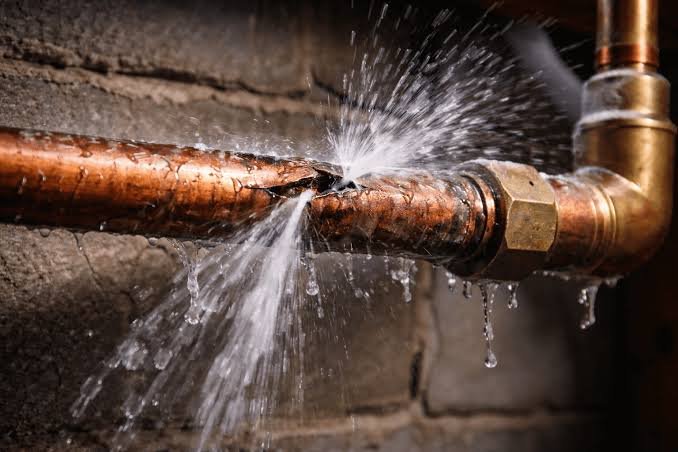
Quick answer: Pipes freeze and burst because water expands roughly 9% in volume as it turns to ice, building pressure inside the pipe that eventually cracks it — this is the core reason winter pipe damage happens even in short cold spells.
2. Insulate Exposed Pipes Before Winter Hits
This is the single most effective step to prevent frozen pipes winter damage, and it’s genuinely simple to do yourself.
- Use foam pipe insulation sleeves on exposed pipes (cost: ₹50-₹150 per meter)
- Focus on pipes in unheated areas — basements, outdoor walls, attics
- Don’t forget outdoor taps and hose connections
I’ve noticed people insulate indoor pipes but completely skip outdoor taps, which are actually the most vulnerable.
3. Let Taps Drip During Extreme Cold
Sounds wasteful, but a slow drip keeps water moving through the pipe, which makes freezing much less likely. [link to related common plumbing problems guide here]
Direct answer: Letting taps drip slightly during extreme cold keeps water flowing through pipes, reducing pressure buildup and making it significantly harder for the water inside to freeze completely.
4. Keep Indoor Temperatures Consistent
Picture a small business owner in Jaipur who travels to Manali for winter tourism season — she keeps her home heating on a low, consistent setting even when away, rather than turning it off completely. This alone has kept her pipes from freezing for three winters straight.
- Maintain indoor temperature above 10°C even when away
- Open cabinet doors under sinks to let warm air reach pipes
- Avoid turning heating off completely during multi-day absences
5. Seal Gaps and Drafts Near Pipes
Cold air sneaking in through small gaps around pipe entry points speeds up freezing considerably. Simple sealant work here makes a real difference.
Related reading: Common Plumbing Problems Every Homeowner Should Fix · Plumbing Services for Reliable Home and Business Protection
- Seal gaps around pipes entering the house from outside
- Check for drafts near water meters and outdoor connections
- Weatherstrip doors and windows near plumbing areas
6. Disconnect and Drain Outdoor Hoses
Outdoor hoses left connected trap water that freezes and expands, sometimes damaging the outdoor tap itself. Has this happened to you before — a cracked outdoor tap you didn’t notice until spring?
- Disconnect garden hoses before the first cold spell
- Drain remaining water from outdoor taps completely
- Cover outdoor taps with insulated covers if available
7. Know the Warning Signs of a Frozen Pipe
Catching this early prevents a small problem from becoming a flooded room. [link to related home maintenance mistakes guide here]
- No water flow from a specific tap, but others work fine
- Visible frost on exposed pipe sections
- Strange smells from drains (frozen pipes can push sewer gas back)
8. What to Do If a Pipe Freezes Anyway
- Turn off the main water supply immediately if you suspect a freeze
- Apply gentle heat with a hairdryer on low setting — never a direct flame
- Call a plumber immediately if you notice any bulging or cracking
Frequently Asked Questions
Q1: At what temperature do pipes typically freeze? Pipes are at risk once temperatures drop below 0°C for extended periods, especially in poorly insulated or exposed areas.
Q2: Which parts of India need to worry about frozen pipes? Mainly hill regions and higher-altitude areas — Kashmir, Himachal Pradesh, Ladakh, and parts of Uttarakhand during peak winter months.
Q3: Does letting taps drip waste a lot of water? Minimally. A slow drip uses far less water than the cost and damage from a burst pipe repair.
Q4: How much does pipe insulation typically cost? Basic foam insulation runs ₹50-₹150 per meter, making it one of the cheapest preventive measures available.
Q5: Can frozen pipes burst even if I don’t see visible cracks immediately? Yes — cracks sometimes only become obvious once the ice thaws and water starts flowing again, revealing the leak.
Q6: Should I turn off my water supply completely during winter if I’m away? For extended absences in cold regions, yes — combined with draining the system, this is the safest approach.
Conclusion
Taking steps to prevent frozen pipes winter damage doesn’t require major renovation — insulation, consistent heating, and a few sealed gaps cover most of the risk. If you’re in a colder part of India, don’t wait until the first hard freeze to start prepping. A weekend spent insulating exposed pipes now saves you a much colder, wetter problem later.
Suggested Image Alt Text:
- “Foam insulation wrapped around exposed outdoor water pipe”
- “Homeowner checking pipes for frost during winter”
- “Outdoor tap disconnected and drained before winter freeze”