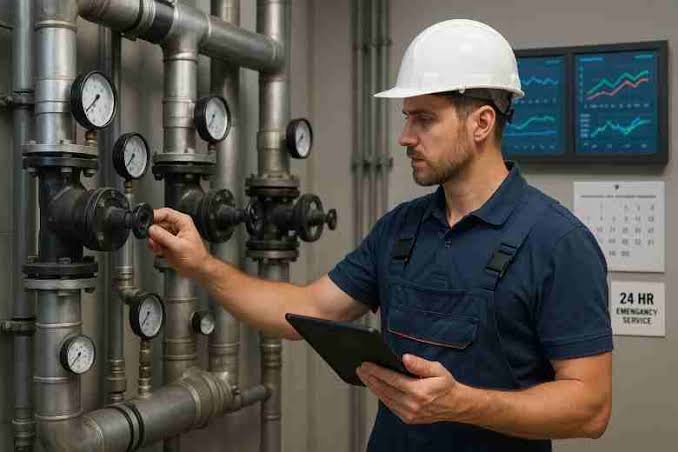
Category: Plumbing

  • Plumbing Services for Reliable Home and Business Protection

    Plumbing Services for Reliable Home and Business Protection

    Plumbing problems can begin with signs that seem easy to ignore. A dripping faucet, slow drain, weak water pressure, or unusual odor may appear minor, but these issues can indicate developing problems inside a plumbing system. Professional plumbing services can help identify the underlying cause and address it before a small concern becomes an expensive repair.

    A dependable plumbing system plays an important role in protecting a property, maintaining sanitation, and supporting everyday comfort. From routine fixture repairs to drain cleaning, leak detection, water heater work, and emergency repairs, TCR Plumbing provides practical solutions for property owners when plumbing systems do not perform as expected.

    Why Plumbing Services Matter for Property Owners

    Plumbing systems operate continuously, often behind walls, beneath floors, and underground. Because many components remain out of sight, problems can develop without obvious warning. By the time water stains, flooding, or sewer backups become visible, the underlying issue may already require extensive attention.

    Professional plumbing services provide more than a quick response to visible symptoms. Proper diagnosis helps determine what is causing the issue and which repair method is appropriate.

    Common warning signs include:

    • Frequently clogged sinks, tubs, or showers
    • Toilets that continue running after flushing
    • Faucets that drip even when fully closed
    • Unexplained increases in water bills
    • Low or inconsistent water pressure
    • Water stains on ceilings or walls
    • Damp areas around pipes or fixtures
    • Foul odors coming from drains
    • Gurgling sounds from toilets or drains
    • Slow drainage throughout the property

    These signs should not automatically be treated as isolated inconveniences. Recurring problems may point to pipe deterioration, blockages, leaks, sewer line concerns, or other system-related issues.

    Plumbing Services That Help Prevent Major Repairs

    Preventive plumbing care can be particularly valuable for older properties and buildings with frequently used plumbing systems. A professional inspection can reveal problems that may not yet be visible to the property owner.

    For example, a small leak beneath a sink can gradually damage cabinetry and flooring. A partially blocked drain can worsen over time until wastewater backs up into a home or commercial space. Identifying these concerns early can make repairs more manageable.

    Regular attention can include checking exposed pipes, inspecting fixtures, monitoring water pressure, and addressing recurring drainage problems. Property owners should also avoid repeatedly treating the same plumbing symptom without determining its cause.

    A drain that repeatedly becomes clogged deserves more than another temporary solution. Professional diagnosis can establish whether the problem involves buildup, a deeper blockage, damaged piping, or a sewer-related concern.

    Professional Drain Cleaning Goes Beyond Temporary Fixes

    Drainage problems are among the most common plumbing concerns. Hair, grease, food particles, mineral deposits, foreign objects, and other materials can restrict water flow. Over time, a blockage can become severe enough to cause standing water, unpleasant odors, or wastewater backups.

    Professional drain cleaning can provide a more targeted approach. Depending on the condition and location of the blockage, plumbers may use specialized equipment designed to clear accumulated materials and restore proper flow.

    For difficult or recurring drainage issues, identifying the exact location and condition of the blockage is particularly important. Repeatedly clearing a drain without addressing the underlying cause may only provide short-term relief.

    TCR Plumbing provides drain cleaning and plumbing services designed to address residential and commercial plumbing concerns. Professional assistance can help property owners understand the condition of a drainage system before selecting a repair or cleaning method.

    Plumbing Services and Leak Detection

    Water leaks can cause more than wasted water. Hidden leaks may contribute to damaged drywall, flooring, cabinetry, insulation, or other building materials. In some cases, the source of the leak may be difficult to locate because plumbing lines run behind finished surfaces or beneath a property.

    Leak detection can help narrow down the location of a problem before unnecessary areas are opened or repaired. Professional plumbers can evaluate symptoms such as unexplained moisture, water stains, increased water consumption, or changes in water pressure.

    A fast response is especially important when a pipe breaks or a significant leak develops. Turning off the water supply, when safely possible, can help limit additional damage while professional assistance is arranged.

    Property owners should never assume that a small visible leak is the full extent of a plumbing problem. Moisture can travel through building materials, meaning the location where water appears may not be the location where the leak started.

    The Importance of Sewer Line Maintenance

    Sewer lines perform a critical function by carrying wastewater away from a property. When a sewer line becomes blocked or damaged, the consequences can affect multiple fixtures at once.

    Warning signs may include:

    • Several drains becoming slow simultaneously
    • Persistent sewage odors
    • Gurgling toilets
    • Water backing up into tubs or showers
    • Repeated sewer-related blockages
    • Unusually wet areas around outdoor sewer lines

    Tree roots, accumulated debris, deteriorating pipes, and other obstructions can affect sewer line performance. A professional inspection can help determine whether the issue involves a localized blockage or a more serious line condition.

    In-line camera inspections can be particularly useful because they allow technicians to view the inside of a plumbing or sewer line. This type of diagnostic approach can provide information about blockages, cracks, root intrusion, and other conditions that may not be visible from outside the pipe.

    Water Heater Plumbing Services

    Hot water is essential for bathing, cleaning, cooking, and many commercial activities. When a water heater begins to malfunction, the disruption can affect an entire household or business.

    Signs of potential water heater trouble can include inconsistent water temperature, unusual noises, visible leakage, insufficient hot water, or water that appears discolored.

    Rather than waiting for a complete failure, property owners can arrange professional evaluation when these warning signs appear. A qualified plumber can assess the equipment and determine whether repair, maintenance, or replacement is the most practical option.

    Water heater installation also requires careful attention to connections, safety requirements, capacity, and system compatibility. Professional installation helps ensure that the equipment is correctly connected and suitable for the property’s needs.

    Emergency Plumbing Services Require Quick Action

    Some plumbing problems cannot wait for a convenient appointment. A burst pipe, major leak, overflowing toilet, sewer backup, or serious drainage failure can quickly interfere with daily activities and cause property damage.

    During an emergency, property owners should focus first on reducing immediate risks.

    1. Shut off the water supply if it can be done safely.
    2. Keep people away from areas affected by standing water when electrical hazards may be present.
    3. Remove belongings from the affected area when possible.
    4. Avoid using plumbing fixtures connected to a suspected sewer backup.
    5. Contact a qualified professional for diagnosis and repair.

    Fast action does not replace professional assessment. Emergency repairs should address both the immediate damage and the cause of the failure so that the same problem is less likely to return.

    TCR Plumbing offers emergency plumbing assistance for residential and commercial customers in the Raleigh Triangle. Having access to professional help during urgent situations can make it easier to respond when a plumbing failure occurs outside normal business hours.

    Choosing the Right Plumbing Services

    Selecting a plumber involves more than finding the lowest quoted price. Plumbing work can affect water quality, sanitation, property condition, and long-term system performance, so experience and proper qualifications matter.

    Before hiring a plumbing company, consider several practical factors:

    • Licensing and insurance
    • Experience with the type of plumbing issue involved
    • Availability for urgent repairs
    • Range of residential and commercial services
    • Diagnostic equipment and repair capabilities
    • Clear communication about recommended work
    • Reputation and customer experience
    • Transparent information about service costs

    A company capable of handling multiple plumbing needs can also simplify maintenance. Instead of searching for separate specialists for drainage, leaks, water heaters, and sewer concerns, property owners may benefit from working with a full-service plumbing provider.

    TCR Plumbing has served the Raleigh Triangle since 1993 and provides residential and commercial plumbing solutions. Services include drain cleaning, leak detection, sewer line work, water heater services, hydro jetting, emergency repairs, and other plumbing needs.

    Practical Ways to Protect a Plumbing System

    Professional service is important, but daily habits also influence plumbing performance. Property owners can take several simple steps to reduce unnecessary strain on fixtures and drainage systems.

    Avoid placing grease, oils, coffee grounds, wipes, paper products, and other unsuitable materials down drains or toilets. Use drain screens where appropriate to reduce the amount of hair and debris entering pipes.

    Pay attention to changes rather than waiting for a complete failure. A toilet that runs continuously, a faucet that begins leaking, or a drain that becomes increasingly slow can provide an opportunity to address the issue before more serious damage occurs.

    It is also useful to know where the property’s main water shutoff is located. During a major leak, knowing how to stop the water supply can help limit damage while waiting for professional assistance.

    Conclusion: Make Plumbing Maintenance a Priority

    A plumbing system should not receive attention only after a major failure occurs. Small leaks, recurring clogs, unusual odors, water pressure changes, and other warning signs can provide valuable opportunities to identify problems early.

    Professional plumbing services can support safer, more dependable plumbing performance through accurate diagnosis, appropriate repairs, preventive maintenance, and emergency assistance. For homeowners and businesses in the Raleigh Triangle, TCR Plumbing provides experienced support for a broad range of residential and commercial plumbing needs.

    Taking action when a problem first appears can help protect the property, reduce disruption, and prevent minor plumbing concerns from developing into major repairs.
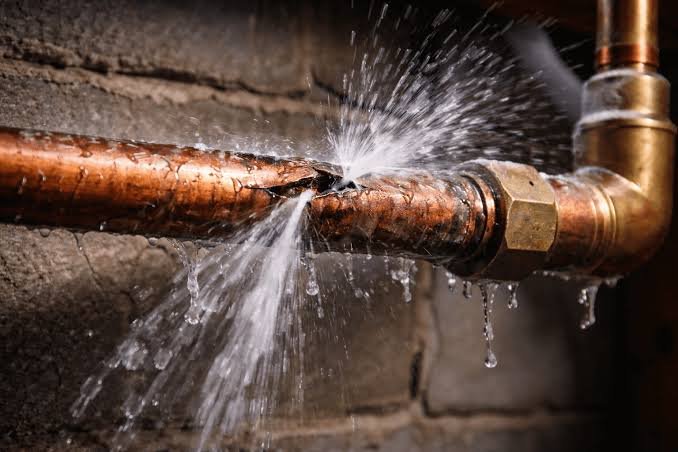
  • How to Prevent Frozen Pipes During Winter

    How to Prevent Frozen Pipes During Winter

    Introduction

    Frozen pipes aren’t something most of India worries about, but if you’re in Kashmir, Himachal, Ladakh, or parts of the northern hills, this is a genuinely real problem every winter. Knowing how to prevent frozen pipes winter damage isn’t optional there — a burst pipe in freezing temperatures can flood a home fast, and repairs during winter are expensive and slow. I’ve spoken to homeowners in Shimla who deal with this every year, and the ones who plan ahead barely notice winter as an issue. The ones who don’t usually regret it by January.


    1. Understand Why Pipes Freeze in the First Place

    Water expands when it freezes, and that expansion is what cracks pipes — not the ice itself sitting there quietly.

    Quick answer: Pipes freeze and burst because water expands roughly 9% in volume as it turns to ice, building pressure inside the pipe that eventually cracks it — this is the core reason winter pipe damage happens even in short cold spells.

    2. Insulate Exposed Pipes Before Winter Hits

    This is the single most effective step to prevent frozen pipes winter damage, and it’s genuinely simple to do yourself.

    • Use foam pipe insulation sleeves on exposed pipes (cost: ₹50-₹150 per meter)
    • Focus on pipes in unheated areas — basements, outdoor walls, attics
    • Don’t forget outdoor taps and hose connections

    I’ve noticed people insulate indoor pipes but completely skip outdoor taps, which are actually the most vulnerable.

    3. Let Taps Drip During Extreme Cold

    Sounds wasteful, but a slow drip keeps water moving through the pipe, which makes freezing much less likely. [link to related common plumbing problems guide here]

    Direct answer: Letting taps drip slightly during extreme cold keeps water flowing through pipes, reducing pressure buildup and making it significantly harder for the water inside to freeze completely.

    4. Keep Indoor Temperatures Consistent

    Picture a small business owner in Jaipur who travels to Manali for winter tourism season — she keeps her home heating on a low, consistent setting even when away, rather than turning it off completely. This alone has kept her pipes from freezing for three winters straight.

    • Maintain indoor temperature above 10°C even when away
    • Open cabinet doors under sinks to let warm air reach pipes
    • Avoid turning heating off completely during multi-day absences

    5. Seal Gaps and Drafts Near Pipes

    Cold air sneaking in through small gaps around pipe entry points speeds up freezing considerably. Simple sealant work here makes a real difference.

    • Seal gaps around pipes entering the house from outside
    • Check for drafts near water meters and outdoor connections
    • Weatherstrip doors and windows near plumbing areas

    6. Disconnect and Drain Outdoor Hoses

    Outdoor hoses left connected trap water that freezes and expands, sometimes damaging the outdoor tap itself. Has this happened to you before — a cracked outdoor tap you didn’t notice until spring?

    • Disconnect garden hoses before the first cold spell
    • Drain remaining water from outdoor taps completely
    • Cover outdoor taps with insulated covers if available

    7. Know the Warning Signs of a Frozen Pipe

    Catching this early prevents a small problem from becoming a flooded room. [link to related home maintenance mistakes guide here]

    • No water flow from a specific tap, but others work fine
    • Visible frost on exposed pipe sections
    • Strange smells from drains (frozen pipes can push sewer gas back)

    8. What to Do If a Pipe Freezes Anyway

    • Turn off the main water supply immediately if you suspect a freeze
    • Apply gentle heat with a hairdryer on low setting — never a direct flame
    • Call a plumber immediately if you notice any bulging or cracking

    Frequently Asked Questions

    Q1: At what temperature do pipes typically freeze? Pipes are at risk once temperatures drop below 0°C for extended periods, especially in poorly insulated or exposed areas.

    Q2: Which parts of India need to worry about frozen pipes? Mainly hill regions and higher-altitude areas — Kashmir, Himachal Pradesh, Ladakh, and parts of Uttarakhand during peak winter months.

    Q3: Does letting taps drip waste a lot of water? Minimally. A slow drip uses far less water than the cost and damage from a burst pipe repair.

    Q4: How much does pipe insulation typically cost? Basic foam insulation runs ₹50-₹150 per meter, making it one of the cheapest preventive measures available.

    Q5: Can frozen pipes burst even if I don’t see visible cracks immediately? Yes — cracks sometimes only become obvious once the ice thaws and water starts flowing again, revealing the leak.

    Q6: Should I turn off my water supply completely during winter if I’m away? For extended absences in cold regions, yes — combined with draining the system, this is the safest approach.


    Conclusion

    Taking steps to prevent frozen pipes winter damage doesn’t require major renovation — insulation, consistent heating, and a few sealed gaps cover most of the risk. If you’re in a colder part of India, don’t wait until the first hard freeze to start prepping. A weekend spent insulating exposed pipes now saves you a much colder, wetter problem later.


    Suggested Image Alt Text:

    1. “Foam insulation wrapped around exposed outdoor water pipe”
    2. “Homeowner checking pipes for frost during winter”
    3. “Outdoor tap disconnected and drained before winter freeze”
  • Common Plumbing Problems Every Homeowner Should Fix

    Common Plumbing Problems Every Homeowner Should Fix

    Introduction

    Plumbing issues have a habit of showing up at the worst possible time — right before guests arrive, or late on a Sunday when no plumber’s picking up the phone. Most common plumbing problems, though, aren’t actually complicated once you know what’s causing them. I’ve fixed a fair share myself over the years, sometimes successfully, sometimes not. This guide covers what you can realistically handle yourself, and what’s worth calling a professional for, so you’re not caught off guard the next time something starts dripping.


    1. Dripping Taps

    This is probably the most common plumbing complaint in any home, and usually the easiest to fix. A worn-out washer inside the tap is almost always the culprit.

    Quick answer: Dripping taps are typically caused by a worn rubber washer inside the tap valve — replacing it costs under ₹100 in parts and takes about 15 minutes, making it one of the easiest common plumbing problems to fix yourself.

    2. Clogged Drains

    Kitchen and bathroom drains clog for different reasons — grease and food particles in the kitchen, hair and soap scum in the bathroom.

    I’ve noticed people reach for chemical drain cleaners way too quickly. They work, sometimes, but they’re harsh on old pipes. A simple plunger or a wire hanger often does the job just as well without the corrosion risk.

    • Kitchen drains: avoid pouring oil or grease down the sink
    • Bathroom drains: clean the hair trap weekly to prevent buildup
    • For stubborn clogs, a mix of baking soda and hot water works surprisingly well

    3. Running Toilets

    A toilet that keeps running after flushing wastes a genuinely surprising amount of water — and money — over a month. [link to related maintenance mistakes guide here]

    Direct answer: A running toilet is usually caused by a faulty flapper valve that doesn’t seal properly, letting water continuously leak into the bowl — replacement flappers cost ₹150-₹400 and are simple to install without professional help.

    4. Low Water Pressure

    Picture a small business owner in Jaipur running a home-based salon — low water pressure in the wash basin was slowing down her entire client schedule. Turned out to be a clogged aerator, cleaned out in under ten minutes.

    • Check and clean tap aerators first — often the simplest fix
    • If pressure’s low throughout the house, it could be a supply line issue
    • Older pipes with mineral buildup may need professional descaling

    5. Leaking Pipes

    This is where things get more serious. Small leaks behind walls or under sinks can go unnoticed until real damage appears. [link to related home maintenance mistakes guide here]

    • Check under-sink pipes monthly for dampness or discoloration
    • Wrap a temporary leak with pipe tape as a short-term fix, not a permanent one
    • Get exposed leaking pipes professionally repaired promptly — delays get expensive

    6. Water Heater/Geyser Issues

    Sediment buildup inside geysers is one of the more overlooked common plumbing problems, especially in areas with hard water. It reduces efficiency and can shorten the unit’s lifespan significantly.

    Has this ever happened to you — water taking forever to heat up despite the geyser running? That’s often sediment insulating the heating element. Annual flushing helps.

    7. Sewer Line Backups

    This is one problem you shouldn’t attempt yourself. Slow drains throughout the house, gurgling sounds, or bad odors from multiple drains at once usually point to a sewer line issue that needs professional equipment.

    • Multiple slow drains simultaneously: likely a main line issue
    • Persistent bad odor from drains: get it inspected before it worsens
    • Don’t ignore gurgling sounds — they’re an early warning sign

    8. Toilet Clogs

    Different from running toilets, actual clogs need a slightly different approach. A good plunger handles most cases; a plumbing snake works for stubborn ones.

    • Avoid flushing wet wipes, even ones labeled “flushable” — they rarely break down properly
    • Keep a plunger accessible in every bathroom, not just one

    Frequently Asked Questions

    Q1: What’s the most common plumbing problem in homes? Dripping taps and clogged drains are by far the most frequent issues homeowners deal with regularly.

    Q2: Can I fix plumbing problems myself, or should I always call a plumber? Simple issues like dripping taps, clogged drains, and running toilets are DIY-friendly. Sewer backups and major pipe leaks need professionals.

    Q3: How much does a typical plumbing repair cost in India? Minor repairs range from ₹200-₹1,000, while more complex issues like pipe replacement can run ₹3,000-₹15,000 depending on scope.

    Q4: How can I prevent common plumbing problems before they start? Regular maintenance — cleaning drain traps, checking for slow leaks, and flushing geysers annually — prevents most common issues.

    Q5: What tools should every homeowner keep for basic plumbing fixes? A plunger, adjustable wrench, plumber’s tape, and a basic drain snake cover most minor plumbing situations.

    Q6: When should I call a professional plumber immediately? For sewer backups, major leaks, or any issue involving multiple fixtures at once — these often indicate bigger underlying problems.


    Conclusion

    Most common plumbing problems aren’t emergencies if you catch them early and know the basics. Keep a few simple tools handy, don’t ignore small leaks or slow drains, and know when a problem’s beyond DIY territory. Next time a tap starts dripping, give it a shot yourself before calling anyone — you might save both time and money.


    Suggested Image Alt Text:

    1. “Homeowner fixing a dripping tap with a wrench”
    2. “Clogged bathroom drain being cleared with a plunger”
    3. “Plumber inspecting pipes for common plumbing problems”