Water is part of almost everything we do at home. We use it to cook meals, wash clothes, take showers, and fill a glass when we’re thirsty. Most of the time, we don’t give it much thought. That changes when white mineral deposits appear around the kitchen faucet, laundry starts feeling rough, or the water develops an unusual taste. These little frustrations can raise a bigger question: is the water in your home getting the treatment it actually needs?
The answer isn’t always as simple as buying a filter. Water quality differs from one property to another, and the right solution depends on the source, the substances present, and how the water is used. Understanding those details can save money and help homeowners make choices that are practical in the long run.
Start With the Problem, Not the Product
It’s tempting to search for a water filter as soon as something seems wrong. After all, there are countless products promising cleaner, fresher, better-tasting water. But a system that works well for one household may do very little for another.
Hard water, for example, contains elevated levels of calcium and magnesium. These minerals can leave scale on showerheads, reduce soap lather, and build up inside water heaters. Iron may cause reddish stains, while sediment can collect in fixtures or make water appear cloudy. Certain contaminants, meanwhile, cannot be detected through taste, smell, or appearance alone.
Start by paying attention to the symptoms, but don’t treat them as a diagnosis. A persistent odor could have several causes, and a stain doesn’t automatically identify the substance responsible. If the problem appears suddenly or affects several taps, it may also be worth checking the plumbing or contacting your water supplier.
Once you understand what you’re dealing with, choosing an appropriate treatment method becomes much easier.
Why Specialty Filtration Can Be Worth Considering
Not every water concern requires a complicated setup. Sometimes a simple cartridge filter is enough to improve taste, while other situations call for a more targeted approach. The important thing is matching the equipment to the actual need.
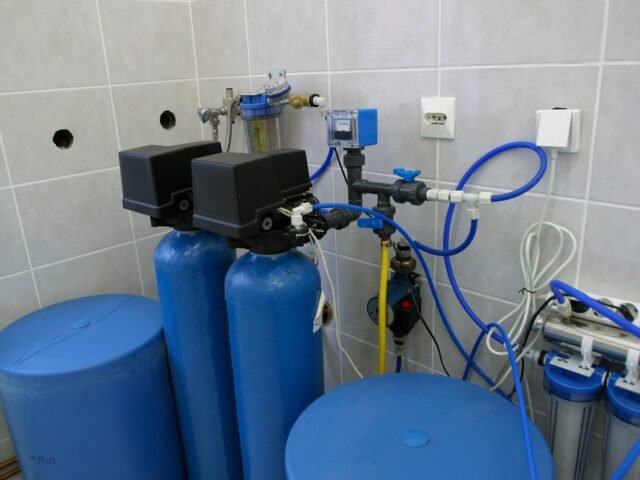
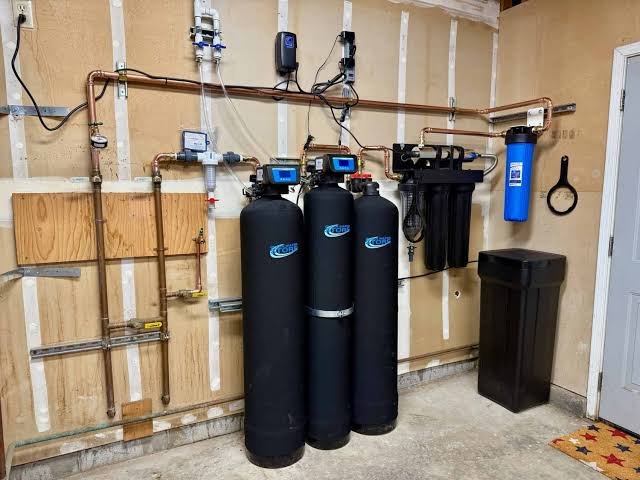
Specialty filtration can help address particular water-quality concerns when the selected technology is designed and independently verified to reduce the substances involved. Activated carbon, for instance, can reduce chlorine taste and odor, along with certain other compounds. Sediment filters capture particles, while other media are designed for specific applications.
The details matter more than the number of filtration stages advertised on a product box. A filter with several stages isn’t automatically more effective than a simpler system. What matters is which substances it reduces, how well it performs under the stated conditions, and whether it has suitable certification.
Think about where treatment is needed, too. If the main concern involves drinking and cooking water, a point-of-use filter beneath the kitchen sink may be sufficient. If the problem affects several fixtures throughout the house, a whole-home system might be more appropriate. Each option has different installation requirements, maintenance needs, and operating costs.
Before purchasing equipment, ask the provider to explain what the system is designed to do and what it cannot remove. Clear answers are a good sign that the recommendation is based on your needs rather than a sales pitch.
Homes With Private Wells Need Extra Attention
Private well water can be perfectly suitable for household use, but its quality depends on local geology, nearby land use, well construction, and environmental conditions. Heavy rainfall, flooding, agricultural activity, and problems with the well itself may affect the water supply.
That is why well water treatment should begin with suitable testing rather than a guess about which equipment might work. Depending on the location and potential risks, testing may include bacteria, nitrates, pH, hardness, iron, manganese, and other substances.
Related reading: A Better Home Water Experience Begins With the Right Treatment Choices · Best Flooring for Pets: What Actually Holds Up · Reliable Electrical Work Begins With Safety, Planning, and Trust
Different results call for different responses. A softener may help with hardness, while a sediment filter can capture suspended particles. Certain iron-treatment systems can address staining, and ultraviolet disinfection may be appropriate for microbial concerns when correctly selected and installed. These technologies are not interchangeable, and a general-purpose filter should never be assumed to make contaminated water safe.
Well owners should also keep an eye on the wellhead and surrounding area. Make sure the well cap is secure, keep potential contaminants away from the immediate surroundings, and follow local recommendations for routine testing. If water changes suddenly in color, taste, or smell, investigate promptly instead of waiting for the problem to disappear.
The Value of Professional Water Testing
Home test kits can provide useful preliminary information, particularly for straightforward measurements such as hardness. However, they don’t all measure the same things, and they may not be suitable for investigating health-related concerns.
Professional water testing can provide a more detailed picture when the right sampling method and laboratory analysis are used. Depending on the concern, a qualified laboratory can test for specific contaminants and compare the findings with relevant drinking-water guidelines. This is particularly important when a household relies on a private well or has reason to suspect a particular problem.
Before arranging a test, ask what will be measured and whether the analysis includes a written report. If you receive results that are difficult to understand, request an explanation from the laboratory or a qualified water professional. You should know what the numbers mean and whether further action is recommended.
Municipal water customers can also review their supplier’s published water-quality report. It offers useful information about the public supply, although it may not reveal issues arising inside an individual property’s plumbing. Depending on the situation, additional household testing may still be worthwhile.
Don’t Forget Installation and Maintenance
Even a suitable filtration system can underperform if it’s installed incorrectly or neglected. Equipment must be sized for the home’s water demand, connected according to the manufacturer’s instructions, and placed where filters can be replaced without difficulty. Some systems also require drainage, electricity, or additional plumbing work.
Maintenance is part of the real cost of ownership. Cartridges need replacement, softeners may require salt, and reverse osmosis membranes have a limited service life. Skipping these tasks can reduce performance and may allow the original problem to return.
Keep a simple record of installation dates, service visits, filter changes, and water-test results. It doesn’t need to be elaborate; even a note on your phone can help you stay on schedule. If you notice a change in water pressure or taste, check the manufacturer’s guidance and consider whether servicing or further testing is needed.
Make a Choice That Fits Your Home
Improving water quality doesn’t necessarily mean installing the largest or most expensive system available. It means identifying the concern, understanding the test results, and comparing solutions based on verified performance, installation requirements, and long-term maintenance.
Take time to ask questions and compare estimates. Be cautious of anyone who claims that one device can solve every water problem or uses a basic test to insist that an expensive system is urgently required. Good recommendations should be clear, specific, and supported by evidence.
Water treatment may not be the most exciting home improvement project, but it affects everyday comfort in ways that quickly become noticeable. With reliable information and a sensible plan, you can choose a system that addresses your household’s needs without adding unnecessary complexity or expense.