Water has a quiet way of shaping everyday life. It’s there when you make coffee before work, rinse fresh vegetables for dinner, take a shower after a long day, or fill a glass for the nightstand. Most of the time, these routines happen without a second thought. But when water tastes strange, leaves stubborn stains, or causes repeated problems with household appliances, it becomes difficult to ignore.
For many homeowners, the challenge isn’t a lack of available products. It’s knowing which solution will actually help. With different filters, softeners, and purification technologies on the market, the choices can feel overwhelming. A little knowledge, however, can make the process much easier and help you avoid spending money on equipment that doesn’t suit your needs.
Look Beyond What You Can See
Water quality problems don’t always announce themselves clearly. White deposits around faucets may indicate hardness, while a chlorine-like taste could suggest that a suitable carbon filter would improve the water’s flavour. Rust-coloured stains may point to iron, although other causes are possible. These signs can help you decide what to investigate, but they aren’t a substitute for testing.
Water may also contain substances that cannot be seen, smelled, or tasted. That’s why the source matters. Municipal supplies are generally treated and monitored, yet household plumbing can influence the water that reaches your tap. Private wells have their own considerations, including naturally occurring minerals and possible contamination from surrounding land use.
A water test gives you a more reliable starting point. Depending on your source and concerns, it may measure hardness, pH, iron, dissolved solids, bacteria, nitrates, or other substances. The right selection of tests depends on local conditions and the purpose of the assessment.
Once you have the results, it’s easier to separate minor inconveniences from issues that require a specific treatment method. You can then make decisions based on evidence rather than guessing from the appearance of your water.
Finding Treatment That Suits Your Household
No two homes use water in exactly the same way. A small household in an apartment may mainly want better-tasting drinking water, while a busy family home may struggle with scale buildup, laundry problems, and staining across several bathrooms. The most useful treatment setup reflects those differences.
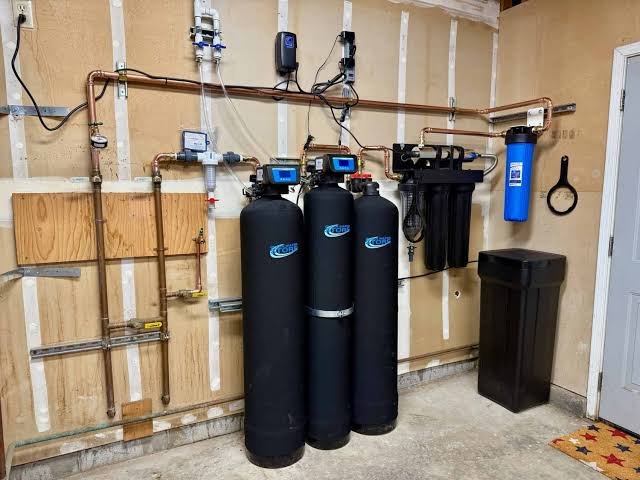
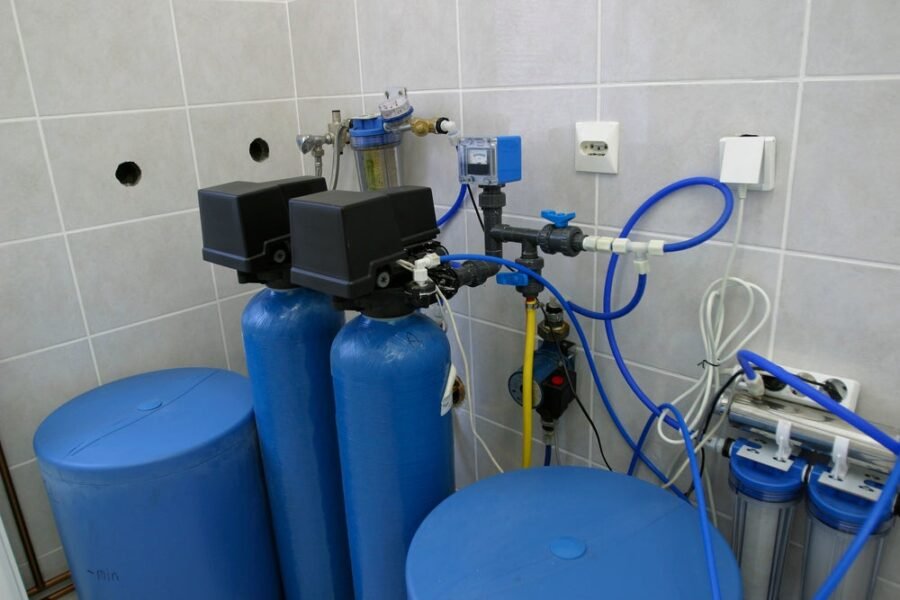
Well-chosen residential water treatment solutions can address specific water concerns, whether the goal is reducing certain tastes and odours, managing hardness, filtering sediment, or treating drinking water at a particular tap. The important part is matching the technology to the problem.
For example, sediment filters capture particles, while certain carbon filters reduce particular compounds that affect taste and smell. Water softeners reduce hardness minerals such as calcium and magnesium. Reverse osmosis can reduce many dissolved substances when the equipment is designed and verified for that purpose.
These technologies aren’t interchangeable. A standard sediment filter won’t remove dissolved salts, and a softener isn’t a universal purifier. If a test identifies a particular contaminant, the selected system should have documented performance for reducing it.
Before buying, ask a provider to explain why a system is recommended, what it is designed to remove or reduce, and which results support that recommendation. A straightforward explanation is usually more useful than a long list of technical features.
Whole-House Filtration or Drinking-Water Treatment?
One of the first practical decisions is whether you need treatment throughout the property or only at selected taps. Whole-house systems are installed where water enters the home, allowing treatment before it reaches showers, washing machines, kitchen sinks, and other fixtures. They’re worth considering when the concern affects several parts of the property.
Point-of-use systems work differently. They’re installed at a specific location, often beneath the kitchen sink, and focus on water used for drinking and cooking. This can be a sensible option when the main goal is improving drinking-water quality without treating every drop used for bathing or cleaning.
Think about your daily habits before choosing. If everyone in the household fills water bottles, prepares meals, and makes hot drinks throughout the day, a drinking-water system needs enough capacity to keep up. If mineral deposits are appearing across bathrooms and around the water heater, a targeted kitchen filter won’t solve that wider problem.
Related reading: Understanding Your Water: When Specialty Filtration and Testing Make a Difference · Reliable Electrical Work Begins With Safety, Planning, and Trust · Best Flooring for Pets: What Actually Holds Up
Space, plumbing access, water pressure, and household demand also matter. A compact unit may be easy to install but unsuitable for a family with high water use. On the other hand, a large system can be unnecessary when a simpler option would address the actual concern.
Why Personalised Filtration Makes a Difference
Water treatment isn’t a one-size-fits-all purchase. The water entering a property, the number of people living there, and the household’s priorities all influence what will work best. Choosing tailored water filtration means selecting equipment around those specific factors instead of buying a standard package simply because it is popular.
A useful assessment considers the test results, the source of the water, the household’s daily consumption, and any existing plumbing or treatment equipment. It should also take account of maintenance preferences and the budget available for both installation and long-term care.
For some homes, a basic filter may be enough. Others may need a combination of technologies, with each component serving a clear purpose. Combining filters can be effective, but adding more stages doesn’t automatically produce better water. Each part should have a reason to be there.
Ask whether the recommended system has independent certification or reliable performance documentation for the contaminants you want to address. Check the expected flow rate, replacement schedule, and cost of consumables. These details help you understand how the equipment will perform after the initial installation, when everyday convenience matters most.
Consider the Cost Beyond the Purchase Price
It’s natural to compare systems by their upfront cost, but the total expense includes more than the equipment. Installation labour, replacement cartridges, membrane changes, softener salt, electricity, and periodic servicing may all contribute to the long-term cost.
A less expensive unit can become costly if its replacement filters are difficult to source or need changing frequently. A more advanced system may offer useful performance, but only if its features address a genuine household concern. Paying for capabilities you don’t need isn’t a particularly good investment.
Request a written estimate that explains what’s included. Ask about warranties, installation requirements, expected maintenance, and the price of replacement components. If financing is offered, read the agreement carefully and understand the payment schedule and any conditions attached to promotional rates.
Reliable providers should be comfortable discussing both the advantages and limitations of their recommendations. If you feel pressured to make an immediate decision, take a step back and compare your options.
Maintenance Keeps the System Working
Even a well-chosen treatment system needs attention over time. Filters collect particles or reach their adsorption capacity, membranes require replacement, and softeners need the correct regeneration materials and periodic checks. Ignoring these tasks can reduce performance.
Keep a simple record of installation dates, filter changes, and service visits. Follow the manufacturer’s maintenance instructions and ask which tasks you can safely complete yourself. If water quality changes suddenly, investigate the cause instead of assuming the equipment will automatically handle it.
Retesting may also be appropriate when the water source changes, a well is repaired, flooding occurs, or unusual taste, colour, or odour persists. If you suspect a health-related contamination issue, use suitable testing and follow guidance from the relevant health authority.
Make Water Quality a Practical Part of Home Care
Improving household water doesn’t need to become a complicated project. Start by identifying the problem, arrange appropriate testing, and compare systems that address the results. Think about the needs of everyone in the home, the cost of maintenance, and how easily the equipment will fit into your routine.
Ultimately, better water starts at home with informed decisions and realistic expectations. The best system isn’t necessarily the most expensive or technically impressive. It’s the one that addresses your water concerns, performs as intended, and remains manageable over the years.
Water is part of nearly everything we do, even when we hardly notice it. Taking time to understand its quality can make ordinary routines more comfortable and help you invest wisely in your home. With good information and the right treatment approach, better water becomes a practical improvement rather than another source of uncertainty.