Category: Home Improvement

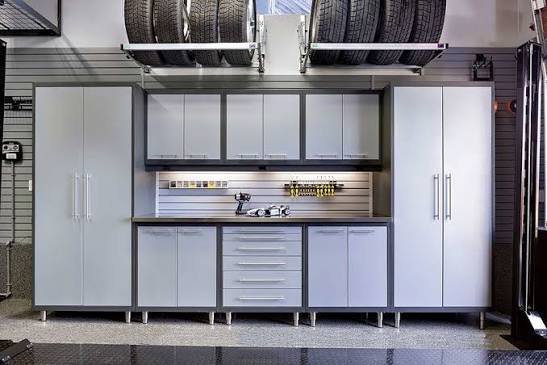
  • Custom Garage Cabinets for a More Functional Garage

    Custom Garage Cabinets for a More Functional Garage

    A garage can serve as far more than a place to park a vehicle. With the right storage strategy, it can become a clean, organized extension of the home for tools, sports equipment, seasonal items, automotive supplies, and hobbies. 

    Custom garage cabinets provide a practical way to bring order to that space while making better use of available walls and floor area. For homeowners planning a garage upgrade, Superior Garage Flooring understands that effective organization starts with storage designed around how the space is actually used.

    Why Garage Storage Deserves More Attention

    Garage clutter often develops gradually. A few tools get placed on a workbench, seasonal decorations occupy a corner, and outdoor equipment ends up leaning against the wall. Before long, usable floor space becomes difficult to access.

    Generic storage products may provide some relief, but they do not always account for the garage’s dimensions or the homeowner’s specific needs. Fixed shelving may leave awkward gaps, while freestanding cabinets can consume valuable floor space without making the most of vertical areas.

    A well-planned garage storage system takes a different approach. It considers the available wall space, ceiling height, door clearance, vehicle placement, work areas, and the items that need to be stored.

    This makes storage part of the garage’s overall design rather than an afterthought.

    Custom Garage Cabinets vs. Standard Storage

    The biggest advantage of custom garage cabinets is flexibility. Instead of adapting your belongings to a predetermined cabinet size, the storage plan can be considered around the space and the items that need to be organized.

    Standard storage can still be useful for simple needs. However, custom solutions can address challenges such as:

    • Unusual wall dimensions
    • Limited floor space
    • Different storage requirements
    • Dedicated work areas
    • Tall or oversized equipment
    • Frequently used tools and supplies
    • A preference for concealed storage

    Cabinet configurations can also help separate different categories of belongings. For example, automotive supplies can have a designated area while gardening tools, sporting equipment, and household storage remain separate.

    That organization can make it easier to find items and maintain the garage over time.

    How to Plan Custom Garage Cabinets

    Good garage organization begins before cabinet installation. A thoughtful planning process helps prevent wasted space and ensures the finished system supports everyday activities.

    1. Take Inventory of What You Store

    Start by identifying everything that currently occupies the garage. Group similar items together and consider which belongings are used frequently, occasionally, or only seasonally.

    This process can reveal the type of storage you actually need. Small hand tools require different arrangements than power equipment, cleaning products, camping gear, or large sporting equipment.

    It is also a good opportunity to remove damaged, unused, or duplicate items before designing the storage system.

    2. Measure the Available Space

    Accurate measurements are essential for any garage cabinetry project. Consider wall length, ceiling height, corners, windows, doors, electrical outlets, and other permanent features.

    Vehicle clearance should also remain a priority. Cabinets should provide useful storage without making it difficult to open vehicle doors or walk safely around parked cars.

    Measurements should account for how the garage functions as a whole, not simply how many cabinets can fit along one wall.

    3. Consider Accessibility

    Not everything needs to be stored at the same height. Frequently used tools and supplies should be easy to reach, while seasonal belongings can occupy less accessible areas.

    Think about daily routines when deciding where items belong. A storage system is more effective when it reduces unnecessary searching, reaching, and moving.

    Cabinet organization should support the way the homeowner uses the garage rather than simply creating more enclosed space.

    Storage Features That Improve Garage Organization

    Garage cabinets become more useful when their configuration reflects specific storage demands. A combination of enclosed cabinets, drawers, shelving, and work surfaces can accommodate different categories of belongings.

    Enclosed cabinets are particularly useful for items that homeowners want kept out of sight. They can help create a cleaner visual appearance while protecting stored belongings from everyday garage activity.

    Drawers can be useful for smaller tools, fasteners, accessories, and other items that can easily become scattered. Keeping these smaller belongings organized can make a work area more practical.

    Tall storage sections can accommodate longer equipment, while wider cabinets can provide room for larger items. The goal is not simply to maximize cabinet capacity but to assign appropriate storage to different belongings.

    Pair Cabinetry With a Functional Work Area

    For homeowners who use the garage for repairs, maintenance, crafts, or DIY projects, storage and workspace should work together.

    A dedicated workbench can provide a stable surface for projects while nearby cabinets keep frequently used equipment within reach. This arrangement can reduce unnecessary movement around the garage and make it easier to return tools to their proper locations.

    Lighting should also be considered. A well-organized cabinet system does little good if work surfaces are poorly illuminated.

    Electrical access, task lighting, and the placement of commonly used tools should be considered during the planning stage rather than after installation.

    Garage Cabinet Materials and Durability Matter

    Garages can experience conditions that differ from those inside the home. Temperature changes, dust, moisture, vehicle fluids, and frequent activity can all influence how storage components perform over time.

    For that reason, homeowners should consider durability alongside appearance.

    When comparing garage cabinetry, ask about the construction, hardware, finish, weight capacity, cleaning requirements, and intended environment. These details provide more meaningful information than appearance alone.

    It is also important to consider how the storage system will be used. A cabinet designed for light household storage may not be the right choice for a garage work area containing heavier tools and equipment.

    Think Beyond Storage Capacity

    More storage does not automatically mean a more functional garage.

    A successful organization system should make the space easier to use. If cabinets are filled without a clear system, homeowners may simply create a more concealed version of the same clutter.

    Consider creating zones within the garage. One section might accommodate automotive supplies, another could serve as a workshop, and another could hold seasonal or recreational equipment.

    Clear categories make it easier to decide where belongings should go after each use.

    Labeling drawers or cabinet sections can also help households maintain the system, particularly when multiple people use the garage.

    Integrate Cabinets With the Overall Garage Design

    Storage should complement the rest of the garage rather than compete with it. Cabinet placement, flooring, lighting, wall finishes, and work areas can be planned as parts of a cohesive environment.

    This is especially important when homeowners are investing in a broader garage renovation. Coordinating storage with other improvements can create a more intentional appearance and prevent individual upgrades from feeling disconnected.

    A clean garage design can also influence how likely homeowners are to maintain the space. When everything has a designated location, returning an item after use becomes a simpler habit.

    Questions to Ask Before Investing in Garage Cabinetry

    Before selecting a storage system, homeowners should evaluate more than cabinet style. Asking the right questions can help clarify whether a proposed solution will meet long-term needs.

    Consider these points:

    1. What items need to be stored?
      Categorize tools, equipment, seasonal belongings, automotive products, and household supplies.
    2. How much space can be dedicated to storage?
      Account for vehicles, walkways, doors, windows, and work areas.
    3. Which belongings need frequent access?
      Keep commonly used items in convenient locations.
    4. What level of durability is appropriate?
      Match construction and hardware to the expected use.
    5. How will the system accommodate future needs?
      Consider whether hobbies, equipment, or household storage requirements could change.
    6. Will the cabinetry support the overall garage design?
      Look at storage alongside flooring, lighting, work surfaces, and other improvements.

    A Better Garage Starts With Intentional Storage

    Garage organization is most effective when it begins with a clear understanding of how the space needs to function. Custom garage cabinets can provide more than additional storage. When properly planned, they can create defined zones, improve accessibility, support work areas, and make better use of otherwise overlooked wall space.

    The best approach is to assess the garage as a complete environment. Measure carefully, identify storage categories, prioritize frequently used belongings, consider durability, and plan cabinetry around everyday movement. Superior Garage Flooring can help homeowners create a more organized garage with storage solutions designed around their space and needs.

    With those fundamentals in place, a cluttered garage can become a practical and organized space that supports parking, projects, hobbies, and household storage for years to come.

  • Smart Home Upgrades Every Homeowner Should Consider in 2026

    Smart Home Upgrades Every Homeowner Should Consider in 2026

    Introduction

    A few years ago, “smart home” mostly meant a fancy speaker that could turn lights on and off. That’s changed a lot. When people ask me about smart home upgrades 2026, I usually tell them the same thing — most of the useful tech now is affordable, easy to install, and doesn’t need an engineer to set up. But not every gadget is worth your money either. Some are genuinely useful daily. Others just sit there blinking. This guide walks through what’s actually worth adding to your home this year, and what you can skip without missing much.


    1. Smart Locks Are Finally Worth It

    For years I was skeptical of smart locks — too many horror stories about batteries dying at the worst moment. But the newer models fixed a lot of that.

    Quick answer: Modern smart locks now offer fingerprint access, backup mechanical keys, and battery life of 6–12 months, making them one of the most reliable smart home upgrades 2026 homeowners are adopting.

    Prices in India start around ₹6,000 for basic models and go up to ₹25,000 for premium ones with app integration.

    2. Video Doorbells for Extra Security

    Picture a small business owner in Jaipur who runs deliveries in and out of her home office all day. A video doorbell means she doesn’t have to run downstairs every time someone rings — she just checks her phone. [link to related home security guide here]

    • Motion alerts sent directly to your phone
    • Two-way audio to talk to visitors remotely
    • Night vision for after-dark monitoring

    3. Smart Lighting That Actually Saves Money

    Smart bulbs get a bad reputation for being a gimmick, but the energy savings are real. Switching to app-controlled LED lighting is one of the more practical smart home upgrades 2026 worth prioritizing, especially in larger homes with multiple rooms.

    Set schedules, dim lights automatically, or turn everything off from bed — small stuff, but it adds up over a year.

    4. Smart Thermostats Aren’t Just for Cold Climates

    I’ll admit, thermostats seem more relevant for countries with heavy winters. But in India, smart AC controllers that learn your usage patterns and cut down electricity bills are becoming genuinely popular.

    Direct answer: Smart AC and thermostat controllers can reduce electricity consumption by 15–20% by learning usage patterns and auto-adjusting temperature, making them a high-ROI smart home upgrade for Indian households.

    5. Home Security Cameras With Cloud Storage

    Cameras have gotten cheaper and smarter. Most now offer cloud storage plans for a few hundred rupees a month, so footage isn’t lost if the camera itself gets damaged or stolen.

    Has this ever crossed your mind — what happens to your camera footage if someone actually breaks in and takes the camera? Cloud backup solves exactly that problem.

    6. Smart Plugs for Legacy Appliances

    Not ready to replace your old fan or geyser? Smart plugs let you control regular appliances remotely without buying anything new. It’s one of the cheapest smart home upgrades on this list — often under ₹1,000 per plug.

    7. Voice Assistants and Hubs

    Voice assistants have matured past the “tell me a joke” phase. Now they genuinely control multiple devices — lights, locks, cameras — from one hub. [link to related home improvement ideas guide here]

    I’ve noticed that once people set up a central hub, they end up expanding their smart devices much faster than expected. It’s a bit addictive, honestly.

    8. Leak and Smoke Detectors

    These don’t get talked about enough. Smart water leak detectors alert you the moment a pipe bursts — long before you’d notice water damage yourself. [link to related plumbing problems guide here]

    • Water leak sensors placed near washing machines, geysers
    • Smoke detectors that send phone alerts, not just loud beeps
    • Combined units that cover both for under ₹3,000

    Frequently Asked Questions

    Q1: Are smart home upgrades worth the investment in 2026? For most homeowners, yes — especially security devices and lighting, which pay off in convenience and safety fairly quickly.

    Q2: What’s the cheapest smart home upgrade to start with? Smart plugs and smart bulbs. Both are inexpensive and don’t require any rewiring.

    Q3: Do smart home devices work well during power cuts? Most battery-backed devices like smart locks continue working, but hub-dependent devices may lose connectivity until power’s restored.

    Q4: Is Wi-Fi security a concern with smart devices? Yes, and it’s often overlooked. Always use a separate guest network for smart devices and change default passwords immediately.

    Q5: Can I install smart home devices myself? Most bulbs, plugs, and locks are DIY-friendly. Cameras and hubs sometimes benefit from a professional setup, especially for larger homes.

    Q6: Which smart home brands are reliable in India? Several established brands now offer localized support and warranty coverage — it’s worth checking after-sales service before buying.


    Conclusion

    Not every gadget on this list needs to go into your cart today. Start with one or two smart home upgrades 2026 that solve an actual problem you have — maybe it’s security, maybe it’s your electricity bill — and build from there. The technology’s matured enough now that it’s less about novelty and more about genuine convenience. Pick what fits your home, not what’s trending on social media.


    Suggested Image Alt Text:

    1. “Smart lock with fingerprint access installed on a home front door”
    2. “Video doorbell mounted near entrance for home security monitoring”
    3. “Smartphone app controlling smart home lighting and thermostat”
  • Budget-Friendly Home Improvement Ideas That Add Value

    Budget-Friendly Home Improvement Ideas That Add Value

    Introduction

    Renovating a home always sounds expensive — at least that’s what most people assume before they’ve actually priced anything out. But here’s the thing: you don’t need a six-figure budget to make your house look and feel better. There are plenty of budget home improvement ideas that cost a fraction of a full renovation and still add real value, whether you’re planning to sell soon or just want your space to feel less tired. I’ve helped friends plan small upgrades before open houses, and the ones that worked best were rarely the flashy ones. In 2026, buyers and homeowners alike are paying more attention to small, functional details than to grand gestures.


    1. Start With a Fresh Coat of Paint

    If there’s one budget home improvement idea that beats almost everything else on cost-to-impact ratio, it’s paint. A gallon covers roughly 350 square feet, and even hiring a local painter in most Indian cities won’t break ₹15,000 for a mid-sized room.

    Quick answer: Repainting walls in neutral, warm tones is the single cheapest way to instantly modernize a home and is often the first thing buyers or guests notice.

    Go for warm neutrals — soft greys, muted beiges — instead of stark white. It photographs better too, which matters if you’re listing the property.

    2. Fix the Small Stuff First

    I’ve noticed that people jump straight to big projects and ignore the annoying little things — a squeaky door, a loose cabinet hinge, a cracked switchboard. These cost almost nothing to fix but quietly signal neglect if left alone.

    • Tighten loose door handles and hinges
    • Re-caulk bathroom edges (a ₹300 tube does wonders)
    • Replace yellowed switch plates
    • Oil squeaky hinges

    None of this is glamorous. But it’s the kind of budget home improvement work that makes a home feel cared for.

    3. Upgrade Lighting Fixtures

    Old, dim lighting ages a room faster than outdated furniture does. Swapping tube lights for warm LED panels is one of those budget-friendly home improvement ideas that pays for itself in electricity savings within a year or two.

    Picture a small business owner in Jaipur converting a spare room into a home office — new LED task lighting alone made the space feel twice as functional, for under ₹4,000.

    4. Refresh Kitchen Cabinet Hardware

    You don’t need a full kitchen renovation. New handles and knobs — even spray-painting existing cabinets — can transform the whole room’s feel for a few thousand rupees. [link to related guide about kitchen renovation costs here]

    Direct answer: Replacing cabinet hardware is one of the highest-ROI budget home improvement ideas, often costing under ₹5,000 while visually modernizing an entire kitchen.

    5. Deep Clean Before You Spend Anything

    Sounds obvious, but I’m always surprised how many people skip this. A proper deep clean — grout, windows, exhaust fans — can make a home look renovated even when nothing’s actually changed. [link to related spring cleaning checklist here]

    6. Add Greenery, Indoors and Out

    Plants are cheap, and they do more for a home’s warmth than most people expect. A few potted plants near the entrance or balcony instantly soften a space. This is one of those low-effort, high-return budget home improvement ideas nobody talks about enough.

    7. Update Bathroom Fixtures

    Taps, showerheads, and mirror frames wear out faster than people replace them. New chrome fixtures cost a few thousand rupees and make the whole bathroom feel newer — far cheaper than retiling.

    8. Improve Curb Appeal

    First impressions happen at the gate, not the living room. Repaint the main door, fix the nameplate, add outdoor lighting. It’s a small budget home improvement move with disproportionate impact on resale interest.

    • Paint or polish the front door
    • Add solar-powered pathway lights
    • Fix broken gate hinges or locks

    9. Install Ceiling Fans or Upgrade Old Ones

    Old, wobbly fans are a red flag to buyers. A decent BLDC fan costs around ₹2,500–₹3,500 and cuts electricity bills too — practical and visible improvement in one move.

    10. Fix Water Leaks and Damp Patches

    Damp patches scare off buyers faster than almost anything else. Even a small leak fix now saves a much bigger repair (and a bigger price cut) later. [link to related plumbing problems guide here]

    11. Add Storage Where You Can

    Built-in shelves or simple modular units in unused corners make homes feel bigger without expanding a single wall. Buyers notice storage — it’s practical, not decorative.

    12. Refresh Flooring in High-Traffic Areas

    Full flooring replacement is pricey, but spot-repairing tiles or adding vinyl planks in one or two rooms is genuinely one of the smarter budget home improvement ideas if your floors show wear only in specific spots.

    13. Repaint or Replace the Main Door

    It sounds repetitive after point 8, but it deserves its own mention — a scratched, faded main door undercuts everything else you’ve fixed. Sometimes a fresh coat is enough; sometimes it’s worth replacing entirely.

    14. Declutter and Stage Key Rooms

    This costs nothing but time, honestly. Removing excess furniture and clutter makes rooms look bigger and more valuable in photos and in person — a detail agents in India consistently mention before listings go live.

    15. Add a Fresh Backsplash or Accent Wall

    A patterned tile backsplash in the kitchen or a textured accent wall in the living room adds character without the cost of a full remodel. It’s one of the more visually striking budget home improvement ideas on this list.


    Frequently Asked Questions

    Q1: What’s the cheapest home improvement that adds the most value? Paint, hands down. It’s low-cost, quick to do, and instantly changes how a space feels.

    Q2: How much should I budget for small home improvements in 2026? Most homeowners spend anywhere between ₹20,000–₹80,000 for a round of small upgrades like paint, lighting, and fixtures — far less than a full renovation.

    Q3: Do small upgrades actually increase resale value? Yes, especially cosmetic ones. Buyers respond emotionally to how “cared for” a home looks, even before they check structural details.

    Q4: Should I DIY or hire someone for budget renovations? Simple tasks like painting small areas or fixing hardware are fine to DIY. For plumbing or electrical work, it’s worth hiring a professional — mistakes there get expensive fast.

    Q5: What’s one improvement people usually overlook? Lighting. People underestimate how much old, dim lighting drags a room down.

    Q6: How long do these budget improvements usually take? Most of these — painting a room, fixing fixtures, decluttering — can be done over a single weekend.


    Conclusion

    You really don’t need a massive budget to make your home feel newer, warmer, and more valuable. These budget home improvement ideas work because they focus on what people actually notice — light, cleanliness, small fixes — rather than expensive overhauls. Pick two or three from this list, start this weekend, and see how much difference a small effort makes before you commit to anything bigger.


    Suggested Image Alt Text:

    1. “Freshly painted neutral living room wall as part of budget home improvement ideas”
    2. “Updated kitchen cabinet handles for an affordable home upgrade”
    3. “Small potted plants near home entrance improving curb appeal”