Category: Renovations

  • How to Plan a Whole-House Renovation Budget in 2026

    How to Plan a Whole-House Renovation Budget in 2026

    Introduction

    Every renovation story I’ve heard eventually includes the line, “we went over budget.” Every single one. So when people ask me how to plan a whole house renovation budget properly, my honest answer is: assume you’ll spend more than you think, and plan around that instead of against it. It sounds pessimistic, but it’s realistic. A full home renovation touches so many moving parts — structure, plumbing, electrical, finishes — that even experienced homeowners underestimate the total. This guide walks through how to actually build a budget that survives contact with reality in 2026.


    1. Start With a Realistic Total, Not a Wish List

    Most people start by listing everything they want. Wrong order. Start with what you can actually spend, then work backward.

    Quick answer: A whole house renovation budget should always include a 15-20% contingency fund on top of the estimated cost, since unexpected structural or plumbing issues show up in nearly every full renovation project.

    For a 2,000 sq ft home in a metro city, whole-house renovations in 2026 typically range from ₹25 lakh to ₹60 lakh, depending on finish quality and structural changes.

    2. Break the Budget Down by Category

    Lumping everything into one number makes it impossible to track overspending. Split it instead:

    • Structural work (if any): 20-25%
    • Electrical and plumbing: 15-20%
    • Flooring and tiling: 15%
    • Kitchen and bathrooms: 20-25%
    • Paint, fixtures, finishing: 10-15%
    • Contingency: 15-20%

    This breakdown makes it much easier to spot where money’s disappearing faster than planned.

    3. Prioritize Structural and Hidden Work First

    I’ve noticed people love spending on visible things — flooring, paint, lighting — and quietly ignore what’s hidden behind walls. That’s backward. [link to related plumbing problems guide here]

    Direct answer: Structural repairs, rewiring, and plumbing should always be budgeted and completed first in a whole house renovation, since fixing them later after finishing work means redoing completed sections.

    Old wiring or corroded pipes discovered mid-project are the single biggest cause of budget blowouts. Get an inspection done before finalizing numbers.

    4. Get Multiple Quotes — But Read Them Carefully

    Picture a small business owner in Jaipur planning a full home renovation. She got three quotes: one came in ₹8 lakh lower than the others. Turned out it excluded electrical work entirely. Cheap quotes often hide exclusions — always compare scope, not just the final number.

    5. Set a Realistic Timeline

    Renovations that drag on cost more, period. Labor costs accumulate, and delays often mean paying rent elsewhere for longer than planned.

    A whole-house renovation typically takes 4-8 months depending on scope. Anything promising completion in under 2 months for a full renovation deserves a second look.

    6. Decide What to Keep vs Replace

    Not everything needs replacing. Structurally sound cabinets can sometimes be refaced instead of rebuilt; existing flooring in good condition might only need refinishing. This alone can trim 10-15% off your whole house renovation budget.

    7. Account for Temporary Living Costs

    If the renovation is extensive, you may need to move out temporarily. This cost gets forgotten constantly — rent, storage for furniture, moving expenses. Has this crossed your mind while planning?

    • Temporary rental: varies heavily by city
    • Furniture storage: ₹2,000-₹5,000/month typically
    • Moving costs: ₹8,000-₹20,000 depending on distance

    8. Track Spending Weekly, Not Monthly

    Monthly tracking is too slow to catch overspending before it snowballs. Weekly check-ins against your whole house renovation budget let you course-correct before a small overrun becomes a big one. A simple spreadsheet works fine — you don’t need fancy software for this.


    Frequently Asked Questions

    Q1: How much should I budget for a whole house renovation in 2026? For a mid-sized home, ₹25-60 lakh is a reasonable range, though it varies significantly by city, home size, and finish quality.

    Q2: What percentage should I keep as contingency? 15-20% of the total budget is the standard recommendation among contractors and architects.

    Q3: What’s the biggest cause of renovation budget overruns? Hidden structural, electrical, or plumbing issues discovered mid-project — these are rarely accounted for in initial quotes.

    Q4: Is it cheaper to renovate room by room or all at once? All at once is usually more cost-efficient for labor, but room-by-room is easier on cash flow if you’re self-funding.

    Q5: Should I hire an architect for a whole-house renovation? For structural changes, yes. For cosmetic-only renovations, a good contractor may be sufficient.

    Q6: How do I avoid scope creep during renovation? Lock your design decisions before work begins. Mid-project changes are one of the fastest ways to blow past budget.


    Conclusion

    Planning a whole house renovation budget isn’t about squeezing every rupee — it’s about knowing where the money’s likely to go before it’s spent. Build in your contingency, prioritize hidden structural work, and track spending weekly instead of hoping it works out. Start with one detailed quote this month, compare it against actual scope, and you’ll already be ahead of most homeowners who dive in without a real plan.


    Suggested Image Alt Text:

    1. “Homeowner reviewing whole house renovation budget spreadsheet”
    2. “Contractor discussing renovation plans and cost estimate with client”
    3. “Structural repair work during full home renovation project”
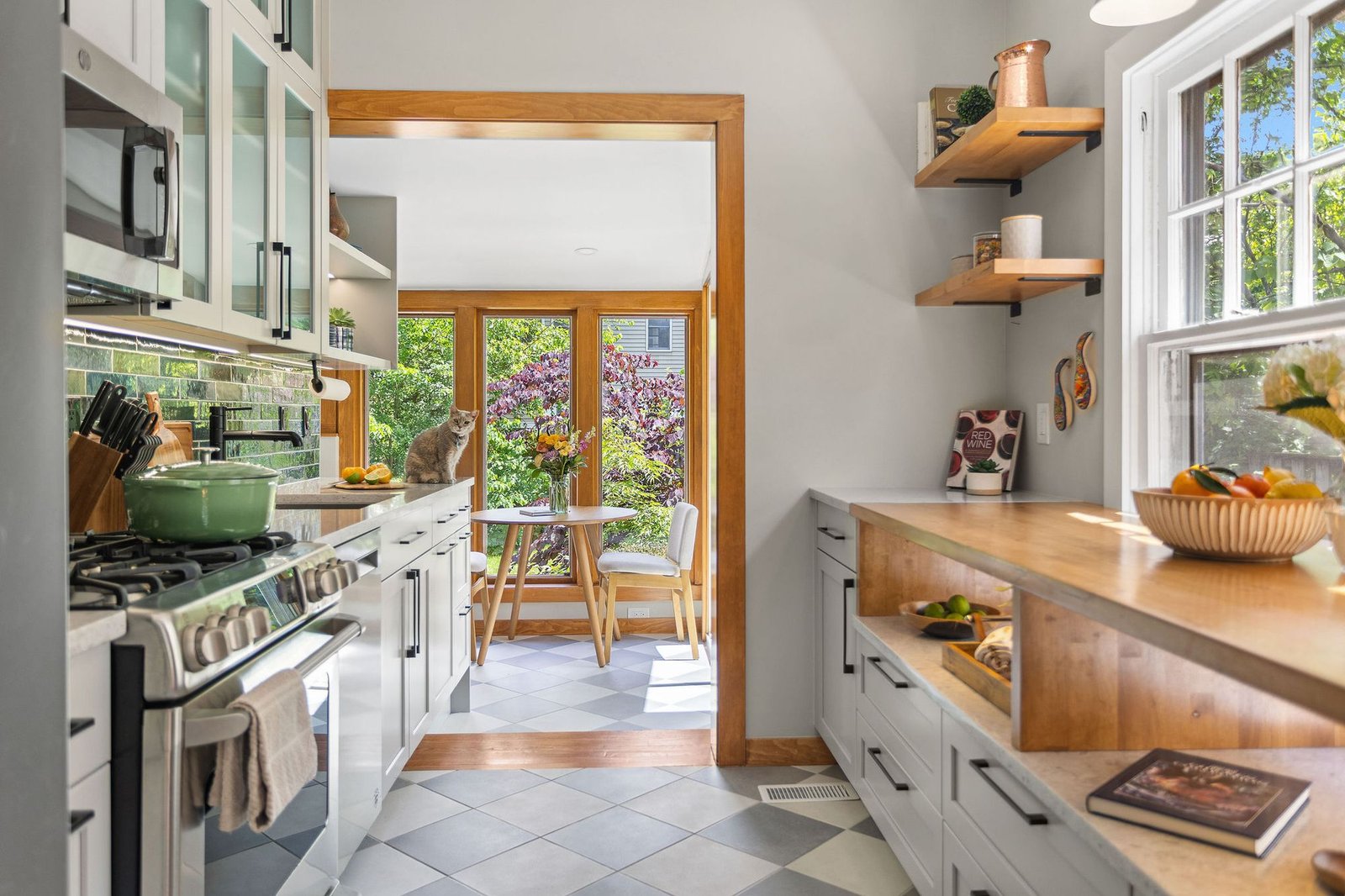
  • Kitchen Renovation Costs: A Complete Room-by-Room Guide

    Kitchen Renovation Costs: A Complete Room-by-Room Guide

    Introduction

    Ask five people what a kitchen renovation costs, and you’ll get five wildly different answers. That’s the problem. Most kitchen renovation cost guide articles online throw around vague ranges without explaining what actually drives the price up or down. I’ve sat through enough contractor quotes to know the truth — it depends heavily on what you’re keeping versus tearing out. This guide breaks the costs down by component, using realistic 2026 pricing for Indian homeowners, so you can budget with your eyes open instead of guessing.


    1. Cabinets — Usually the Biggest Chunk

    Cabinets typically eat up 30-40% of any kitchen renovation cost, and it’s easy to see why. Material, finish, and hardware all stack up fast.

    Quick answer: Modular kitchen cabinets in India generally cost between ₹1,200 to ₹2,500 per square foot depending on material — laminate being cheapest, and acrylic or PU finishes sitting at the higher end.

    • Laminate finish: budget-friendly, durable enough for most homes
    • Acrylic finish: glossy, pricier, shows fingerprints easily
    • PU (polyurethane) finish: premium look, higher maintenance cost

    2. Countertops

    Granite used to be the default. These days quartz has taken over for homeowners who want something low-maintenance. I personally lean toward quartz — granite needs sealing every year or two, and honestly, who remembers to do that?

    Prices range from ₹150-300 per square foot for granite to ₹300-600 for quartz, depending on the brand and finish quality.

    3. Flooring

    Kitchen flooring needs to survive spills, heat, and heavy foot traffic — so it’s not a place to cut corners entirely. [link to related flooring comparison guide here]

    Direct answer: Vitrified tiles remain the most cost-effective kitchen flooring option in India, priced around ₹40-80 per square foot, while anti-skid tiles cost slightly more but reduce slip risks near sinks and stoves.

    4. Appliances

    This is where budgets tend to spiral. Picture a small business owner in Jaipur upgrading her kitchen — she planned ₹80,000 for appliances alone, then ended up adding a chimney and built-in oven, pushing it past ₹1.5 lakh. Appliances are the easiest place to overspend without realizing it.

    • Chimney: ₹8,000–₹25,000
    • Built-in hob: ₹6,000–₹20,000
    • Modular oven/microwave combo: ₹15,000–₹40,000

    5. Plumbing and Electrical Work

    Don’t skip this section in your kitchen renovation cost guide planning — it’s boring, but it’s non-negotiable if pipes or wiring are old. [link to related plumbing problems guide here]

    Rewiring a kitchen typically runs ₹15,000-₹30,000, and plumbing rework for sink relocation can add another ₹10,000-₹20,000 depending on distance from existing lines.

    6. Lighting

    Good kitchen lighting isn’t just about looks — it’s about not burning your hand while chopping vegetables in dim light. Has that ever happened to you? Under-cabinet LED strips plus ceiling lighting usually cost ₹8,000-₹15,000 total.

    7. Labor Costs

    Labor is often underestimated in any kitchen renovation cost breakdown. Skilled carpenters and electricians in metro cities charge more than smaller towns — expect labor to be roughly 15-20% of your total project cost.

    8. Hidden Costs Nobody Warns You About

    • Waste removal and cleanup charges
    • GST on materials (usually 18% on furniture/fittings)
    • Design consultation fees, if you hire an interior designer
    • Delays that push up labor costs due to extended timelines

    I’ve noticed homeowners rarely budget for these, and then they’re surprised when the final bill runs 15-20% over the original quote.


    Frequently Asked Questions

    Q1: What’s the average kitchen renovation cost in India in 2026? A mid-range modular kitchen renovation typically falls between ₹3-6 lakh for an average-sized kitchen, depending on materials and appliances chosen.

    Q2: Is it cheaper to renovate or replace an entire kitchen? Partial renovation — keeping the layout and replacing cabinets/countertops — is almost always cheaper than a full teardown and rebuild.

    Q3: How long does a typical kitchen renovation take? Most modular kitchen projects take 30-45 days from order to installation, assuming no major structural changes.

    Q4: Can I renovate a kitchen on a tight budget? Yes — focus spending on cabinets and countertops, and go budget-friendly on appliances and fixtures initially, upgrading them later.

    Q5: Should I hire an interior designer for a kitchen renovation? For complex layouts, yes. For straightforward modular upgrades, many homeowners work directly with kitchen contractors and skip designer fees.

    Q6: What adds the most resale value to a kitchen renovation? Updated countertops and cabinet finishes tend to add more perceived value than expensive appliances, according to most real estate agents.


    Conclusion

    A kitchen renovation cost guide is only useful if it reflects real numbers, not vague estimates. Cabinets and countertops will likely eat most of your budget, so decide early where you want to spend versus save. Get at least three contractor quotes before committing, and always keep a 15% buffer for the surprises that inevitably show up mid-project.


    Suggested Image Alt Text:

    1. “Modular kitchen cabinets with quartz countertop during renovation”
    2. “Kitchen renovation cost breakdown showing cabinets and flooring”
    3. “Newly installed kitchen chimney and appliances after remodel”