Introduction
The metal roofing vs asphalt shingles debate comes up constantly whenever someone’s planning a roof replacement or building fresh, and honestly, there’s no single right answer — it depends heavily on your budget, climate, and how long you plan to stay in the home. I’ve gone back and forth on this myself while helping a relative plan a farmhouse roof. What worked for that project wouldn’t necessarily suit a city apartment building. This guide breaks down the real differences so you can decide what actually fits your situation in 2026.
1. Upfront Cost Comparison
Cost is usually the first question, and the answer isn’t as simple as “one is cheaper.”
Quick answer: Asphalt shingles generally cost less upfront than metal roofing, roughly ₹80-150 per square foot versus ₹200-400 for metal, though metal roofing often costs less over its lifetime due to durability and lower maintenance needs.
2. Lifespan and Durability
This is where the comparison gets interesting. Metal roofing tends to outlast asphalt shingles by a wide margin.
- Metal roofing: typically lasts 40-50 years with proper maintenance
- Asphalt shingles: usually last 15-20 years, shorter in extreme heat
- Metal handles heavy monsoon rainfall better, resisting water absorption
I’ve noticed people underestimate how much Indian summer heat affects asphalt shingles specifically — they can warp or degrade faster in regions with sustained high temperatures.
3. Maintenance Requirements
Neither roofing type is maintenance-free, but the frequency and type of upkeep differs quite a bit.
Direct answer: Metal roofing generally requires less frequent maintenance than asphalt shingles, needing only occasional rust-prevention coating, while shingles need more regular inspection for cracking, curling, and granule loss over time.
4. Performance in Indian Climate Conditions
Picture a small business owner in Jaipur running a warehouse — she chose metal roofing specifically because of the extreme summer heat and occasional dust storms in the region. Metal reflects heat better and handles wind-driven debris without the granule loss shingles experience.
- Metal roofing: better heat reflection, reducing indoor cooling costs
- Asphalt shingles: adequate for moderate climates, less ideal for extreme heat zones
- Both need proper installation to handle monsoon rainfall effectively
5. Noise During Rainfall
This gets overlooked constantly, but it matters more than people expect. Metal roofing without proper insulation can be noticeably loud during heavy monsoon rain.
- Add insulation layers under metal roofing to reduce rain noise significantly
- Asphalt shingles naturally muffle rain sound better without extra insulation
Has this ever bothered you during a heavy downpour — a roof so loud you can’t hear the TV? Worth factoring in if you’re considering metal.
Related reading: Signs You Need a Roof Replacement, Not a Repair
6. Environmental Impact
Metal roofing is generally more recyclable at end-of-life compared to asphalt shingles, which typically end up in landfills. If sustainability matters to your decision, metal has a clear edge here. [link to related eco-friendly cleaning products guide here]
7. Aesthetic and Property Style Considerations
This one’s subjective, but worth mentioning. Metal roofing suits industrial, farmhouse, or modern architectural styles particularly well. Asphalt shingles blend more naturally with traditional residential aesthetics in most Indian cities.
- Metal comes in various finishes and colors, including tile-look options now
- Shingles offer more traditional, textured visual appeal for standard homes
8. Installation Complexity and Timeline
Metal roofing installation generally requires more specialized labor and slightly longer installation time compared to asphalt shingles, which most local contractors are already familiar with.
- Metal roofing: 1-2 weeks for average residential installation
- Asphalt shingles: often completed within 3-7 days depending on roof size
Frequently Asked Questions
Q1: Which lasts longer, metal roofing or asphalt shingles? Metal roofing typically lasts 40-50 years, roughly double the 15-20 year lifespan of standard asphalt shingles.
Q2: Is metal roofing worth the higher upfront cost? For long-term homeowners, often yes — the extended lifespan and lower maintenance can offset the higher initial investment over time.
Q3: Does metal roofing make homes hotter in summer? Not if properly insulated — in fact, metal reflects heat better than shingles when combined with adequate insulation underneath.
Q4: Is metal roofing noisy during monsoon rain? It can be without proper insulation, though adding an insulation layer significantly reduces the noise during heavy rainfall.
Q5: Which option is better for extreme heat regions in India? Metal roofing generally performs better in extreme heat, resisting warping and reflecting more sunlight than asphalt shingles.
Q6: Can I switch from asphalt shingles to metal roofing during a renovation? Yes, though it typically requires additional structural assessment and slightly higher installation cost compared to a like-for-like replacement.
Conclusion
The metal roofing vs asphalt shingles decision really comes down to how long you’re planning to stay, your climate, and your upfront budget. If you want lower initial cost and don’t mind replacing sooner, shingles work fine. If you’re building for the long term and can afford the upfront investment, metal roofing pays off over the decades. Get quotes for both before deciding — the price gap sometimes narrows once you factor in long-term maintenance costs.
Suggested Image Alt Text:
- “Metal roofing installed on a modern farmhouse in India”
- “Asphalt shingle roof on a residential home”
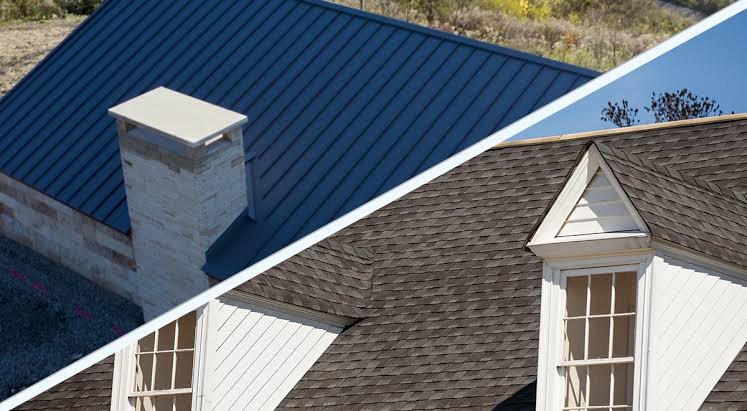
- “Comparison of metal roofing and shingle roofing materials”