Introduction
Every homeowner eventually asks the same question during monsoon season — do I repair this leak again, or is it time to just replace the whole roof? I get why people hesitate. Replacement costs far more upfront than another patch job. But there are genuine signs you need a roof replacement, and ignoring them usually means paying for repairs repeatedly while the underlying problem keeps growing. This guide covers what actually indicates replacement time, versus what’s still fixable with a standard repair in 2026.
1. Repeated Leaks in the Same Area
If you’ve patched the same spot more than twice, that’s rarely a coincidence. It usually means the underlying structure has weakened beyond what surface repairs can fix.
Quick answer: Repeated leaks in the same location, despite multiple repairs, are one of the clearest signs you need a roof replacement — it typically indicates structural deterioration underneath that surface patching can’t resolve.
2. Visible Sagging
A roof should be flat and even, not curved or dipping in the middle. Sagging usually means water damage has weakened the support structure underneath.
I’ve noticed people mistake mild sagging for just “old construction settling.” That’s rarely true. Genuine sagging is a structural warning sign, not a cosmetic quirk.
3. Age of the Roof
Most roofing materials have a realistic lifespan, and once you’re past it, repairs become a losing game — patching one weak spot just reveals another nearby.
- Concrete roofs (common in India): typically last 25-30 years with proper waterproofing
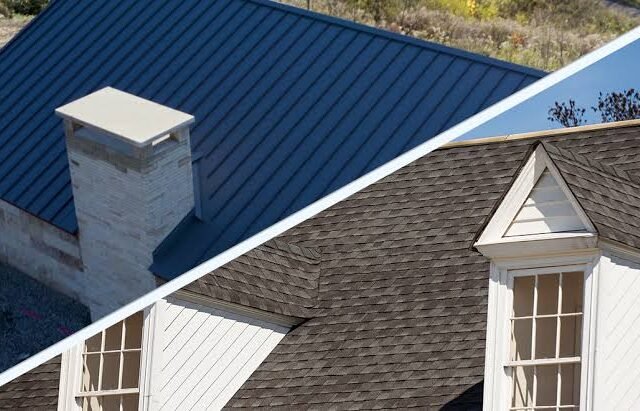
- Metal roofing: usually 20-25 years depending on material quality
- Asphalt shingle roofs: generally 15-20 years, shorter in extreme heat
Direct answer: If your roof is approaching or past its expected material lifespan and showing multiple issues simultaneously, replacement is usually more cost-effective long-term than continuing repeated repairs.
4. Widespread Cracking, Not Isolated Cracks
A few hairline cracks here and there are normal and fixable. Widespread cracking across the roof surface, though, points to a deeper problem with the waterproofing membrane or underlying material. [link to related plumbing problems guide here]
Picture a small business owner in Jaipur who kept patching individual cracks on her terrace roof every monsoon for three years. Eventually a proper inspection revealed the entire waterproofing membrane had failed — replacement ended up cheaper than another year of patchwork repairs.
5. Water Stains Spreading Across the Ceiling
Isolated water stains might indicate a single, fixable leak. Stains spreading across multiple areas of the ceiling suggest the water’s traveling — meaning the damage source is harder to pinpoint and likely more extensive than it appears.
- Track stain patterns over a few weeks to see if they’re spreading
- Multiple stain locations often mean multiple failure points
6. High Energy Bills From Poor Insulation
Roofing issues don’t just cause leaks — they affect insulation too. If your cooling bills have crept up noticeably without other explanation, a deteriorating roof might be the reason.
Related reading: Metal Roofing vs Asphalt Shingles: Which Wins?
Has this ever happened to you — an unexplained jump in your electricity bill during summer? Roof insulation failure is worth checking before assuming it’s just the weather.
7. Missing or Damaged Tiles/Shingles
For homes with tile or shingle roofing, missing or cracked pieces expose the underlying structure to water damage. A few missing tiles are repairable; widespread damage across large sections usually isn’t worth patching individually.
- Inspect after major storms for dislodged or cracked tiles
- Replace missing tiles promptly to prevent underlying damage
8. Mold or Moss Growth
Persistent mold or moss growth, especially in shaded areas of the roof, indicates trapped moisture that isn’t drying out properly. This often means the waterproofing has broken down beyond surface-level repair.
Frequently Asked Questions
Q1: How much does a full roof replacement cost in India? Costs vary widely by material and roof size, but typically range from ₹150-₹400 per square foot depending on roofing type and complexity.
Q2: Can I repair a roof myself instead of hiring a professional? Minor tasks like sealing small cracks can be DIY, but structural assessment and full waterproofing work should go to professionals.
Q3: How do I know if it’s a repair or replacement situation? If issues are isolated and the roof is within its expected lifespan, repair usually suffices. Multiple, recurring problems suggest replacement.
Q4: How long does a roof replacement typically take? Most residential roof replacements take 1-3 weeks depending on size, material, and weather conditions during the project.
Q5: Should I replace my roof before or after monsoon season? Before, ideally — completing replacement work before monsoon prevents water damage during the actual construction period.
Q6: Does roof replacement affect home resale value? Yes, positively — a newer roof is a significant selling point and often recovers a good portion of its cost at resale.
Conclusion
Recognizing the real signs you need a roof replacement early saves you from years of repeated, increasingly expensive patch jobs. If you’re seeing recurring leaks, sagging, or widespread cracking, it’s worth getting a proper structural inspection rather than another quick fix. Book an inspection before the next monsoon season hits — catching this now is far cheaper than dealing with it during active rainfall.
Suggested Image Alt Text:
- “Cracked roof surface showing signs of water damage”
- “Sagging roof structure indicating need for replacement”
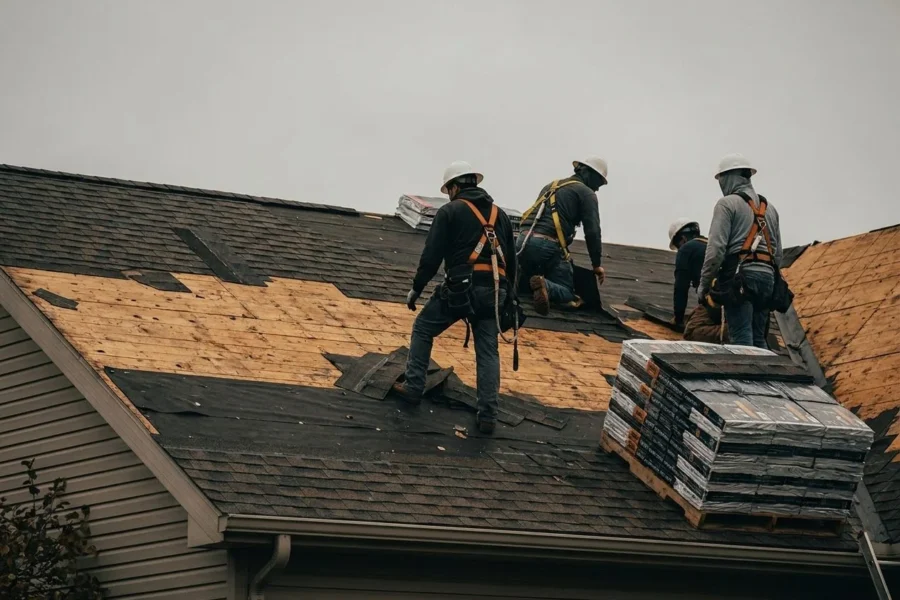
- “Roofing contractor inspecting damaged tiles before repair decision”