Introduction
Plumbing issues have a habit of showing up at the worst possible time — right before guests arrive, or late on a Sunday when no plumber’s picking up the phone. Most common plumbing problems, though, aren’t actually complicated once you know what’s causing them. I’ve fixed a fair share myself over the years, sometimes successfully, sometimes not. This guide covers what you can realistically handle yourself, and what’s worth calling a professional for, so you’re not caught off guard the next time something starts dripping.
1. Dripping Taps
This is probably the most common plumbing complaint in any home, and usually the easiest to fix. A worn-out washer inside the tap is almost always the culprit.
Quick answer: Dripping taps are typically caused by a worn rubber washer inside the tap valve — replacing it costs under ₹100 in parts and takes about 15 minutes, making it one of the easiest common plumbing problems to fix yourself.
2. Clogged Drains
Kitchen and bathroom drains clog for different reasons — grease and food particles in the kitchen, hair and soap scum in the bathroom.
I’ve noticed people reach for chemical drain cleaners way too quickly. They work, sometimes, but they’re harsh on old pipes. A simple plunger or a wire hanger often does the job just as well without the corrosion risk.
- Kitchen drains: avoid pouring oil or grease down the sink
- Bathroom drains: clean the hair trap weekly to prevent buildup
- For stubborn clogs, a mix of baking soda and hot water works surprisingly well
3. Running Toilets
A toilet that keeps running after flushing wastes a genuinely surprising amount of water — and money — over a month. [link to related maintenance mistakes guide here]
Direct answer: A running toilet is usually caused by a faulty flapper valve that doesn’t seal properly, letting water continuously leak into the bowl — replacement flappers cost ₹150-₹400 and are simple to install without professional help.
4. Low Water Pressure
Picture a small business owner in Jaipur running a home-based salon — low water pressure in the wash basin was slowing down her entire client schedule. Turned out to be a clogged aerator, cleaned out in under ten minutes.
- Check and clean tap aerators first — often the simplest fix
- If pressure’s low throughout the house, it could be a supply line issue
- Older pipes with mineral buildup may need professional descaling
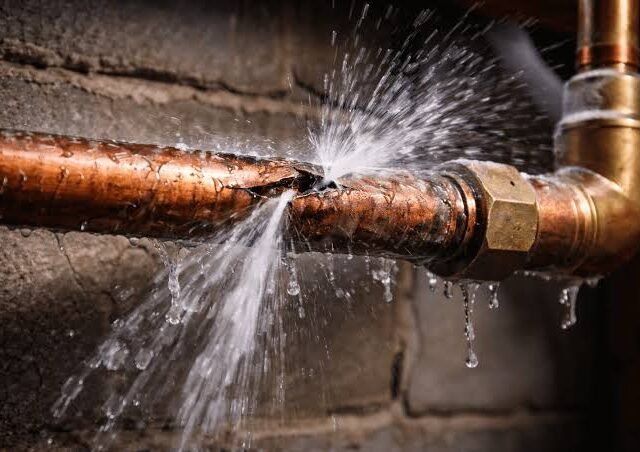
5. Leaking Pipes
This is where things get more serious. Small leaks behind walls or under sinks can go unnoticed until real damage appears. [link to related home maintenance mistakes guide here]
- Check under-sink pipes monthly for dampness or discoloration
- Wrap a temporary leak with pipe tape as a short-term fix, not a permanent one
- Get exposed leaking pipes professionally repaired promptly — delays get expensive
6. Water Heater/Geyser Issues
Sediment buildup inside geysers is one of the more overlooked common plumbing problems, especially in areas with hard water. It reduces efficiency and can shorten the unit’s lifespan significantly.
Related reading: How to Prevent Frozen Pipes During Winter · Plumbing Services for Reliable Home and Business Protection
Has this ever happened to you — water taking forever to heat up despite the geyser running? That’s often sediment insulating the heating element. Annual flushing helps.
7. Sewer Line Backups
This is one problem you shouldn’t attempt yourself. Slow drains throughout the house, gurgling sounds, or bad odors from multiple drains at once usually point to a sewer line issue that needs professional equipment.
- Multiple slow drains simultaneously: likely a main line issue
- Persistent bad odor from drains: get it inspected before it worsens
- Don’t ignore gurgling sounds — they’re an early warning sign
8. Toilet Clogs
Different from running toilets, actual clogs need a slightly different approach. A good plunger handles most cases; a plumbing snake works for stubborn ones.
- Avoid flushing wet wipes, even ones labeled “flushable” — they rarely break down properly
- Keep a plunger accessible in every bathroom, not just one
Frequently Asked Questions
Q1: What’s the most common plumbing problem in homes? Dripping taps and clogged drains are by far the most frequent issues homeowners deal with regularly.
Q2: Can I fix plumbing problems myself, or should I always call a plumber? Simple issues like dripping taps, clogged drains, and running toilets are DIY-friendly. Sewer backups and major pipe leaks need professionals.
Q3: How much does a typical plumbing repair cost in India? Minor repairs range from ₹200-₹1,000, while more complex issues like pipe replacement can run ₹3,000-₹15,000 depending on scope.
Q4: How can I prevent common plumbing problems before they start? Regular maintenance — cleaning drain traps, checking for slow leaks, and flushing geysers annually — prevents most common issues.
Q5: What tools should every homeowner keep for basic plumbing fixes? A plunger, adjustable wrench, plumber’s tape, and a basic drain snake cover most minor plumbing situations.
Q6: When should I call a professional plumber immediately? For sewer backups, major leaks, or any issue involving multiple fixtures at once — these often indicate bigger underlying problems.
Conclusion
Most common plumbing problems aren’t emergencies if you catch them early and know the basics. Keep a few simple tools handy, don’t ignore small leaks or slow drains, and know when a problem’s beyond DIY territory. Next time a tap starts dripping, give it a shot yourself before calling anyone — you might save both time and money.
Suggested Image Alt Text:
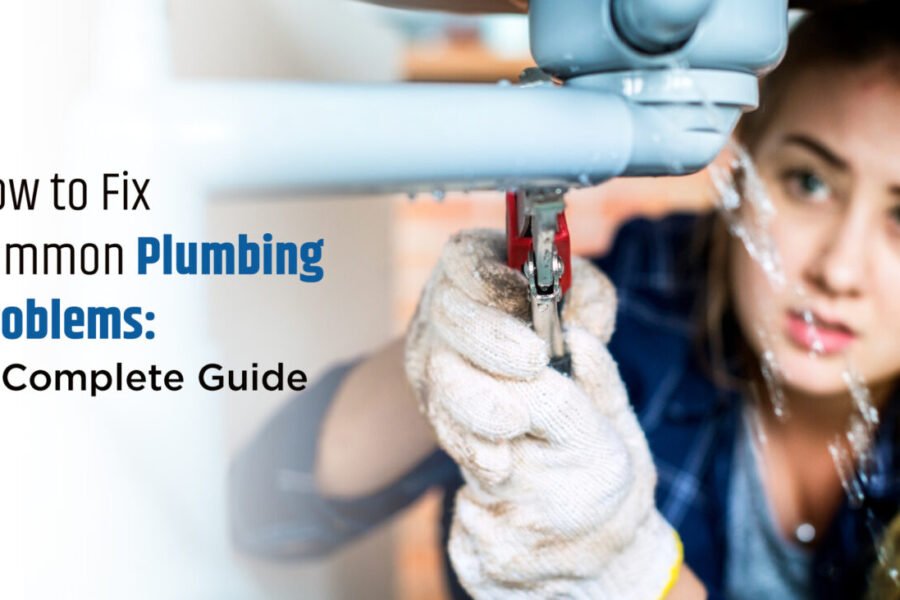
- “Homeowner fixing a dripping tap with a wrench”
- “Clogged bathroom drain being cleared with a plunger”
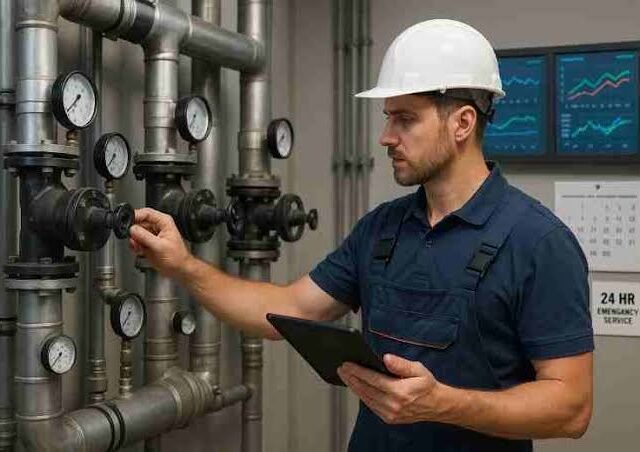
- “Plumber inspecting pipes for common plumbing problems”