Blog

  • Eco-Friendly Cleaning Products That Actually Work

    Eco-Friendly Cleaning Products That Actually Work

    Introduction

    I’ll be honest — I used to think eco-friendly cleaning products were mostly marketing. Pretty packaging, a leaf logo, and a price tag 30% higher than the regular stuff, but not much difference in actual performance. After using a bunch of them over the past couple of years, I’ve changed my mind on some, and stayed skeptical about others. This isn’t a “everything green is great” article. It’s a practical rundown of what genuinely works, what’s overhyped, and how to tell the difference before your next grocery run in 2026.


    1. What “Eco-Friendly” Actually Means (And What It Doesn’t)

    The term gets thrown around loosely. Not every product labeled “natural” or “green” is actually better for the environment or your health.

    Quick answer: Genuine eco-friendly cleaning products are typically biodegradable, free of harsh synthetic chemicals like phosphates and chlorine bleach, and packaged in recyclable or reduced plastic — not just labeled “natural” without ingredient transparency.

    2. Vinegar-Based Cleaners for Surfaces

    Plain white vinegar diluted with water works surprisingly well on glass, countertops, and bathroom tiles. It’s cheap, widely available, and doesn’t leave the harsh chemical smell that some commercial cleaners do.

    I’ve noticed vinegar struggles a bit on tough grease, though — it’s better for general surface cleaning than heavy kitchen grime.

    3. Baking Soda for Scrubbing and Deodorizing

    This one genuinely surprised me. Baking soda paste handles grout stains, oven grime, and even smelly drains better than several commercial products I’ve tried. [link to related deep cleaning checklist here]

    • Mix with water for a scrubbing paste on tough stains
    • Sprinkle in shoes or fridge as a natural deodorizer
    • Combine with vinegar for stubborn drain clogs

    4. Plant-Based Commercial Cleaners

    Several brands now offer plant-derived formulas that skip harsh synthetic surfactants. These tend to cost more, but for households with small kids or pets, the reduced chemical exposure is worth considering.

    Direct answer: Plant-based commercial cleaners generally cost 20-40% more than conventional options, but the reduced chemical exposure makes them worthwhile for households with children, pets, or family members with respiratory sensitivities.

    5. Reusable Cleaning Cloths Over Disposable Wipes

    Picture a small business owner in Jaipur running a small café — she switched from disposable wipes to washable microfiber cloths and cut her monthly cleaning supply cost significantly, while also reducing waste heading to landfills.

    • Microfiber cloths last 100+ washes if maintained properly
    • Reduce plastic waste from single-use wipe packaging
    • Slightly higher upfront cost, but cheaper over months

    6. Lemon and Citrus-Based Solutions

    Citrus oils cut through grease effectively and leave a genuinely pleasant smell without synthetic fragrance chemicals. Works particularly well on kitchen counters and cutting boards.

    Has this ever bothered you — that overpowering “clean” smell from regular cleaners that’s actually just strong fragrance chemicals? Citrus-based options smell clean because they’re actually breaking down grime, not masking odor.

    7. Concentrated Cleaners to Reduce Plastic Waste

    Concentrated formulas that you dilute yourself at home cut down significantly on plastic packaging waste. One small concentrated bottle can replace 3-4 regular-sized bottles over time.

    • Look for concentrate ratios (e.g., 1:10 dilution) on packaging
    • Reuse existing spray bottles instead of buying new ones each time
    • Often cheaper per use despite higher upfront cost

    8. What to Watch Out For (Greenwashing Signs)

    Not everything marketed as eco-friendly deserves the label. Watch for these red flags before paying a premium.

    • Vague terms like “natural” with no ingredient list provided
    • Excessive plastic packaging despite eco-branding
    • No actual certification, just green-colored packaging design

    Frequently Asked Questions

    Q1: Are eco-friendly cleaning products as effective as regular ones? For general cleaning, yes. For heavy grease or tough stains, some natural options need more scrubbing effort or repeated application.

    Q2: Are eco-friendly cleaning products more expensive? Often slightly, yes — typically 15-30% more than conventional products, though concentrated formulas can offset this over time.

    Q3: Can I make my own eco-friendly cleaning products at home? Absolutely. Vinegar, baking soda, and lemon cover a surprising range of household cleaning needs at a fraction of commercial product cost.

    Q4: Are eco-friendly cleaners safe around pets and children? Generally safer than harsh chemical cleaners, but always check specific ingredients, since “natural” doesn’t automatically mean non-irritating.

    Q5: How can I tell if a product is genuinely eco-friendly? Look for actual certifications, ingredient transparency, and reduced packaging — not just green colors or vague marketing terms.

    Q6: Do eco-friendly products help reduce indoor air pollution? Yes, since many skip harsh synthetic fragrances and VOCs found in conventional cleaners, which can affect indoor air quality over time.


    Conclusion

    Genuine eco-friendly cleaning products aren’t about paying more for a nicer label — they’re about ingredients that actually reduce chemical exposure and environmental impact. Start simple: swap one or two harsh chemical cleaners for vinegar, baking soda, or a trusted plant-based brand, and see how it works for your household. Small swaps add up faster than people expect.


    Suggested Image Alt Text:

    1. “Vinegar and baking soda used as eco-friendly cleaning products”
    2. “Reusable microfiber cloths replacing disposable cleaning wipes”
    3. “Plant-based cleaning spray bottle on kitchen countertop”
  • Deep Cleaning Checklist: The Ultimate Spring Cleaning Guide

    Deep Cleaning Checklist: The Ultimate Spring Cleaning Guide

    Introduction

    Every year I tell myself spring cleaning will take a weekend. Every year it takes longer, mostly because I never plan it properly. A good spring cleaning checklist isn’t about cleaning everything at once — it’s about breaking the house into manageable chunks so you’re not standing in the middle of a half-cleaned kitchen wondering where the afternoon went. This guide walks through a room-by-room approach that’s realistic for busy households in 2026, not some idealized version where you finish everything before lunch.


    1. Start With a Plan, Not a Sponge

    Before touching a single surface, walk through the house and make a list. Which rooms need the most work? What’s been ignored the longest?

    Quick answer: An effective spring cleaning checklist starts with a room-by-room walkthrough to prioritize high-neglect areas — like under furniture, ceiling corners, and storage spaces — before jumping into actual cleaning.

    2. Kitchen Deep Clean

    The kitchen accumulates grease and grime faster than any other room, and it shows if ignored for months.

    • Clean inside the chimney and exhaust fan (grease buildup here is often worse than people expect)
    • Wipe down cabinet interiors, not just the visible fronts
    • Descale the electric kettle and clean the fridge coils at the back

    I’ve noticed people clean kitchen counters weekly but skip the fridge coils for years. Those coils affect cooling efficiency — worth the ten minutes it takes.

    3. Bathroom Deep Clean

    Bathrooms need more than a quick wipe during spring cleaning. Grout, exhaust fans, and drain traps are the usual culprits people forget.

    Direct answer: A thorough bathroom deep clean should include scrubbing grout lines, cleaning the exhaust fan blades, and clearing drain traps of hair and debris — areas that regular weekly cleaning typically misses.

    • Scrub tile grout with a baking soda paste for stubborn stains
    • Clean exhaust fan blades (dust buildup reduces airflow significantly)
    • Descale showerheads and taps with vinegar soak

    4. Bedroom and Wardrobe Reset

    Picture a small business owner in Jaipur who runs her tailoring work from a home studio — fabric dust settles everywhere, especially in wardrobes and under the bed. Spring cleaning here means more than dusting; it means actually moving furniture.

    • Flip or rotate mattresses if it’s been over 6 months
    • Clear out and reorganize wardrobes, donating unused clothes
    • Vacuum under the bed — this spot gets skipped almost universally

    5. Living Room and Common Areas

    This is where most guests spend time, so neglect shows quickly here. [link to related decorating ideas guide here]

    • Deep clean upholstery and cushion covers
    • Dust ceiling fans and light fixtures (often forgotten during regular cleaning)
    • Clean behind and under heavy furniture like sofas and TV units

    6. Windows, Curtains, and Blinds

    Has this ever happened to you — you clean the whole house and forget the windows entirely? Dusty curtains and streaky windows undo a lot of the visual impact of a clean home.

    • Wash curtains or send heavy drapes for dry cleaning
    • Clean window tracks, where dust and grime collect unnoticed
    • Wipe down blinds slat by slat — tedious, but it makes a visible difference

    7. Storage Areas and Forgotten Corners

    Store rooms, top shelves, and under-sink cabinets rarely get touched outside of spring cleaning. This is also a good time to check for pest activity while everything’s out. [link to related pest control mention in maintenance checklist here]

    • Check expiry dates on stored cleaning supplies and medicines
    • Reorganize storage boxes and discard what’s genuinely unused
    • Inspect for termite or pest signs in wooden storage units

    8. Final Walkthrough and Touch-Ups

    Once the major cleaning’s done, do a final walkthrough. Small things get missed even with the best spring cleaning checklist — light switches, door handles, remote controls.


    Frequently Asked Questions

    Q1: How long does a full spring cleaning usually take? For an average home, spreading it over a weekend (2 full days) works better than trying to finish everything in one day.

    Q2: What’s commonly forgotten during spring cleaning? Fridge coils, exhaust fan blades, and window tracks — these get skipped in regular weekly cleaning and pile up unnoticed.

    Q3: Should I hire professional cleaners for spring cleaning? For deep upholstery or carpet cleaning, professionals often do a better job. Most other tasks are manageable DIY with the right supplies.

    Q4: What natural cleaning solutions work well for deep cleaning? Baking soda paste for grout, vinegar solutions for descaling, and lemon for cutting grease are effective, budget-friendly options.

    Q5: How often should deep cleaning be done? Twice a year is generally sufficient for most homes — once before summer and once before or after monsoon.

    Q6: What should I do with items I no longer need during cleaning? Donate usable items, and consider selling or recycling anything else rather than just discarding everything.


    Conclusion

    A proper spring cleaning checklist works best when it’s broken into rooms and tackled over a couple of days, not rushed through in one exhausting session. Start with the kitchen and bathroom since they show neglect fastest, then move through the rest of the house at your own pace. Pick one room this weekend and just start — momentum tends to carry the rest.


    Suggested Image Alt Text:

    1. “Deep cleaning kitchen cabinets and exhaust fan during spring cleaning”
    2. “Scrubbing bathroom tile grout as part of spring cleaning checklist”
    3. “Organizing wardrobe and donating clothes during home deep clean”
  • How to Secure Your Home While You’re on Vacation

    How to Secure Your Home While You’re on Vacation

    Introduction

    There’s a particular kind of anxiety that hits a day before a trip — did I lock the balcony door, did I tell the neighbor, is the gas cylinder off. Home security while traveling isn’t just about burglars, honestly. It’s about not spending your vacation mentally running through a checklist you forgot to make. I learned this the hard way after leaving a bathroom window open on a 10-day trip — nothing happened, thankfully, but the anxiety wasn’t worth it. This guide covers what actually matters before you leave, without turning your home into a fortress you can’t afford.


    1. Don’t Announce Your Travel Plans Publicly

    This sounds obvious, but people still do it constantly. Posting vacation photos in real-time, or putting up an “away for a week” message on social media, tells more people than you’d want.

    Quick answer: For better home security while traveling, avoid posting real-time location updates on social media until after you’re back — save the photo dump for when you’ve returned home safely.

    2. Make the House Look Occupied

    An empty-looking house is an obvious target. Small things make a real difference here.

    • Use smart plugs to turn lights on/off on a schedule
    • Ask a neighbor to occasionally park in your driveway or move a vehicle
    • Leave a TV or radio on a timer for a few hours in the evening

    I’ve noticed timers are underused — they’re cheap, easy to set up, and genuinely effective at making a home look lived-in.

    3. Double-Check All Entry Points

    Not just the main door. Balconies, bathroom windows, servant quarter entrances — these get forgotten constantly. [link to related home security systems guide here]

    Direct answer: Before leaving for vacation, physically check every window and door yourself rather than relying on memory — bathroom windows and balcony doors are the most commonly forgotten entry points in Indian homes.

    4. Inform a Trusted Neighbor or Relative

    Picture a small business owner in Jaipur who travels frequently for work. She keeps a spare key with a trusted neighbor who checks on the house every few days, collects mail, and waters plants. This single habit has saved her from two potential issues — a water leak and a delivery left outside for days.

    • Share your travel dates with someone reliable nearby
    • Ask them to collect newspapers, mail, or deliveries
    • Give them your contact number for emergencies

    5. Use Smart Cameras for Remote Monitoring

    If you already have cameras installed, make sure notifications are turned on before leaving. Checking in occasionally, even just once a day, adds peace of mind without being obsessive about it.

    Has this ever crossed your mind — what if something happens and you’re not around to respond quickly? A camera at least lets you see and react, even from a different city.

    6. Secure Valuables Separately

    Don’t leave cash, jewelry, or important documents in obvious places. A basic home safe is a reasonable investment, especially for longer trips.

    • Home safes start around ₹5,000-₹8,000 for basic models
    • Store important documents (passports, property papers) somewhere secure but accessible

    7. Handle Utilities Before Leaving

    Turn off the main gas supply and unplug non-essential electronics. This isn’t just about security — it’s fire prevention too.

    • Turn off gas cylinder valve completely
    • Unplug appliances not needed while away (TVs, chargers, non-essential devices)
    • Set the fridge to vacation mode if it has one, or clean it out for longer trips

    8. Don’t Over-Advertise Security Measures Either

    This one’s a bit counterintuitive, but worth mentioning. Excessive visible security signage sometimes tips off that a home is worth targeting, or that no one’s around to respond to alarms going off. A balance of visible and discreet security tends to work better than either extreme.


    Frequently Asked Questions

    Q1: Is it safe to leave lights on the whole time I’m away? Not ideal — constant lighting can look unnatural. Smart plugs with scheduled on/off timing look more realistic than lights left on continuously.

    Q2: Should I stop mail and newspaper delivery while traveling? Either stop delivery temporarily or have a neighbor collect it daily — accumulated mail is one of the clearest signs a home is empty.

    Q3: How far in advance should I prepare home security before a trip? A day or two before departure is enough for most checks, though setting up smart devices or cameras should be done well in advance.

    Q4: Is it worth installing a camera just for occasional travel? If you travel a few times a year, yes — the peace of mind alone often justifies the cost for most homeowners.

    Q5: Should I tell my domestic help about travel dates? Generally yes if they’re trusted and regularly employed, but be mindful of who else might learn your schedule through them.

    Q6: What’s the biggest mistake people make before traveling? Forgetting to check all entry points, not just the main door — balconies and bathroom windows are commonly overlooked.


    Conclusion

    Good home security while traveling isn’t about expensive gadgets — it’s about a short, consistent checklist you actually follow every time you leave. Check entry points, inform someone you trust, and make the house look occupied rather than empty. Run through this list before your next trip, and you’ll spend less time worrying and more time actually enjoying the vacation.


    Suggested Image Alt Text:

    1. “Homeowner checking window locks before leaving for vacation”
    2. “Smart plug controlling home lights on a timer schedule”
    3. “Neighbor collecting mail from an empty house during travel”
  • Best Smart Home Security Systems for First-Time Buyers

    Best Smart Home Security Systems for First-Time Buyers

    Introduction

    Buying your first security system is more confusing than it should be. There are cameras, sensors, alarms, apps, subscriptions — and every brand claims to be the one you need. When friends ask me about the best smart home security systems for beginners, I usually tell them to ignore the marketing first and figure out what they’re actually trying to protect against. A ground-floor apartment needs different coverage than an independent house with a garden. This guide breaks it down simply, without pushing you toward buying everything at once.


    1. Figure Out What You’re Actually Protecting

    Before comparing products, be honest about your risk. Are you worried about break-ins, package theft, or just want to see who’s at the door? These need different setups.

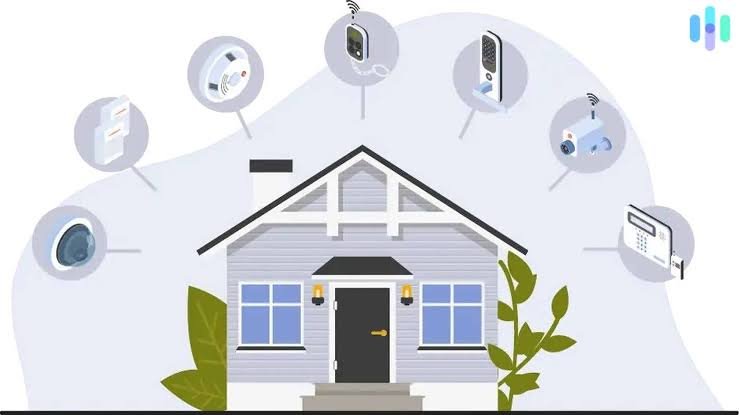
    Quick answer: The best smart home security systems for beginners typically combine a video doorbell, one or two indoor/outdoor cameras, and door/window sensors — covering entry points without overspending on features you won’t use.

    2. Start With a Video Doorbell

    This is usually the single most useful device for first-time buyers. It covers your main entry point, alerts you to visitors, and doubles as a deterrent.

    I’ve noticed most break-in attempts happen through the front door anyway, so this one device covers a lot of risk for a relatively small cost — usually ₹5,000-₹15,000 depending on features.

    3. Add Indoor and Outdoor Cameras Strategically

    You don’t need cameras in every room. Focus on entry points and common areas first.

    • Front entrance: highest priority, covers deliveries and visitors
    • Backyard or balcony: important if there’s outdoor access
    • Living room: optional, useful mainly for monitoring while away

    Direct answer: For first-time buyers, one outdoor camera at the main entrance and one indoor camera covering common areas is usually enough — expanding coverage later is easy once you know what you actually need.

    4. Door and Window Sensors

    These are cheap and often overlooked. A sensor alerts you the moment a door or window opens unexpectedly — useful even when you’re just in another room and don’t hear it.

    Picture a small business owner in Jaipur who runs deliveries out of a home office. Door sensors let her know instantly when someone enters the storage room, even from the next floor.

    5. Motion Sensors for Extra Coverage

    Motion sensors work well in hallways or entry points where cameras might miss angles. They’re inexpensive — typically ₹1,500-₹3,000 per sensor — and pair well with existing camera systems.

    6. Smart Locks Add a Layer Most People Skip

    Not essential for a starter setup, but worth considering once basics are covered. Smart locks eliminate the need for physical keys and let you grant temporary access remotely — handy for domestic help or guests. [link to related smart home upgrades guide here]

    7. Cloud Storage vs Local Storage

    This decision matters more than people realize. Cloud storage means footage survives even if a camera’s stolen or damaged, but comes with a monthly fee. Local storage (SD card) is cheaper upfront but risky if the device itself is compromised.

    Has this crossed your mind before buying? It’s worth deciding early, since switching later sometimes means buying new hardware entirely.

    8. App Integration and Ease of Use

    The best smart home security systems aren’t necessarily the ones with the most features — they’re the ones you’ll actually use consistently. If the app is confusing, most people stop checking it within weeks.

    • Look for systems with a single unified app, not separate apps per device
    • Check for offline alert options in case of internet outages
    • Read recent reviews specifically about app reliability

    Frequently Asked Questions

    Q1: What’s a good starter budget for a smart home security system? ₹10,000-₹25,000 typically covers a video doorbell, one or two cameras, and a few door sensors — a solid starting setup.

    Q2: Do I need professional installation? Most consumer smart security devices are designed for DIY installation. Complex multi-camera setups may benefit from professional help.

    Q3: Is cloud storage necessary for home security cameras? Not strictly necessary, but recommended if you want footage preserved even if the device is stolen or damaged.

    Q4: Can smart security systems work during power outages? Battery-backed devices continue working temporarily, but systems relying on Wi-Fi routers will lose connectivity unless you have backup power.

    Q5: How many cameras does a typical home need? For most homes, 2-4 cameras covering entry points and common areas is sufficient for first-time setups.

    Q6: Are subscription fees worth it for smart security systems? If cloud storage or advanced AI detection features matter to you, yes. Basic motion alerts are usually free across most systems.


    Conclusion

    Choosing the best smart home security systems doesn’t require buying every gadget available. Start with a video doorbell and one or two cameras covering your main entry points, then expand once you understand your actual usage patterns. Security should feel practical, not overwhelming — pick two devices from this guide and get started this week rather than waiting for the “perfect” complete setup.


    Suggested Image Alt Text:

    1. “Video doorbell installed at home entrance for security monitoring”
    2. “Outdoor security camera covering backyard entry point”
    3. “Smartphone app showing smart home security system alerts”
  • 10 Common Home Maintenance Mistakes Costing You Money

    10 Common Home Maintenance Mistakes Costing You Money

    Introduction

    Nobody sets out to neglect their home. It just happens — a small crack gets ignored, a filter doesn’t get changed, and six months later you’re writing a much bigger check than you needed to. I’ve made a couple of these mistakes myself, so this isn’t me lecturing from some perfect maintenance record. These are the common home maintenance mistakes I see repeated constantly, the ones that turn ₹2,000 fixes into ₹50,000 repairs. If even a few of these sound familiar, it’s worth reading through before your next “I’ll deal with it later” moment.


    1. Ignoring Small Leaks

    This is probably the single most expensive habit on this list. A dripping tap or a slow pipe leak seems harmless — until it isn’t. [link to related plumbing problems guide here]

    Quick answer: Ignoring small leaks is one of the most common home maintenance mistakes because water damage compounds over time, often turning a ₹500 tap repair into a ₹30,000+ wall or flooring repair.

    2. Skipping AC Filter Cleaning

    Dirty filters make ACs work harder, which means higher bills and shorter equipment life. I’ve noticed people wait until the AC stops cooling properly before checking the filter — by then it’s usually clogged badly enough to need a full servicing visit.

    Clean or replace filters every 4-6 weeks during heavy usage months.

    3. Not Waterproofing Before Monsoon

    Skipping pre-monsoon waterproofing is one of the common home maintenance mistakes that hits hardest in India specifically. A ₹15,000-₹30,000 waterproofing job prevents damage that can easily cost ten times that once water seeps into walls and ceilings.

    Direct answer: Waterproofing costs a fraction of water damage repair — spending ₹20,000 before monsoon typically prevents structural repairs that can exceed ₹2 lakh once dampness reaches walls, ceilings, and electrical systems.

    4. Ignoring Electrical Warning Signs

    Flickering lights, warm switchboards, tripping breakers — these get brushed off way too often. Picture a small business owner in Jaipur who ignored a warm switchboard for months. Eventually it caused a short circuit that damaged appliances worth over ₹40,000. Small warning signs are rarely small problems underneath.

    5. Delaying Pest Control

    Termites and pests don’t announce themselves loudly. By the time damage is visible, wooden furniture or structural elements are often already compromised.

    • Annual pest control: ₹3,000-₹8,000 depending on home size
    • Termite damage repair: can run into lakhs if structural wood is affected

    6. Not Cleaning Gutters and Drains

    This gets ignored constantly, and it shouldn’t. Clogged drainage during monsoon backs up water exactly where you don’t want it — near foundations and walls. [link to related seasonal maintenance checklist here]

    7. Overloading Electrical Circuits

    Running too many high-wattage appliances off one circuit isn’t just inefficient, it’s a fire risk. Older Indian homes especially weren’t wired for today’s appliance loads.

    Has this ever happened in your home — a breaker tripping repeatedly? That’s not a nuisance, that’s a warning.

    8. Painting Over Problems Instead of Fixing Them

    Fresh paint over a damp patch looks fine for a few months. Then it bubbles right back up. This is one of those common home maintenance mistakes that actually wastes money twice — once on paint that fails, then again on the actual repair you delayed.

    9. Ignoring Roof Maintenance Until It Leaks

    Roofs rarely fail suddenly. Small cracks and worn waterproofing show warning signs long before an actual leak appears. [link to related roofing signs guide here]

    • Inspect roof surfaces annually, ideally before monsoon
    • Address hairline cracks immediately — they widen with temperature changes

    10. Not Servicing Geysers and Water Heaters

    Sediment buildup inside geysers reduces efficiency and shortens lifespan significantly. An annual service costing ₹500-₹1,000 easily adds 2-3 years to a geyser’s working life.


    Frequently Asked Questions

    Q1: What’s the most expensive home maintenance mistake people make? Ignoring water leaks and delaying pre-monsoon waterproofing — both lead to structural damage that costs far more than prevention.

    Q2: How often should I do a full home maintenance check? At minimum, twice a year — once before summer and once before monsoon — covers most critical systems.

    Q3: Can neglecting maintenance affect resale value? Significantly. Visible neglect — damp patches, cracked walls, old fixtures — makes buyers assume deeper problems exist too.

    Q4: Is DIY maintenance enough, or do I need professionals? Basic tasks like filter cleaning and visual inspections are fine DIY. Electrical, plumbing, and waterproofing work should go to professionals.

    Q5: What’s a cheap way to prevent expensive repairs? Regular small inspections. Catching a hairline crack or minor leak early is dramatically cheaper than fixing it after it spreads.

    Q6: How much can proper maintenance save annually? Homeowners who maintain proactively typically save 20-30% on repair costs compared to those who wait for problems to appear.


    Conclusion

    Most of these common home maintenance mistakes aren’t about laziness — they’re about not realizing how quickly small problems compound. Pick two or three from this list that sound familiar and address them this month, before monsoon or summer makes the fix more urgent and more expensive. A little consistency now genuinely saves thousands later.


    Suggested Image Alt Text:

    1. “Homeowner inspecting a small ceiling leak before it spreads”
    2. “Dirty AC filter being cleaned to prevent maintenance issues”
    3. “Cracked wall showing early signs of water damage”
  • Seasonal Home Maintenance Checklist for Every Month

    Seasonal Home Maintenance Checklist for Every Month

    Introduction

    Most people only think about home maintenance when something breaks. By then, it’s usually costing more than it should have. A proper seasonal home maintenance checklist flips that around — small, regular tasks instead of expensive emergencies. I started keeping one myself a few years back after a monsoon leak ruined a ceiling I could’ve protected for the cost of a bucket of waterproofing compound. This guide breaks maintenance down month by month, tailored to India’s actual seasons — summer, monsoon, and winter — instead of generic four-season advice that doesn’t quite fit here.


    1. Pre-Summer Prep (March–April)

    Summer in most of India isn’t gentle. AC units, water tanks, and roofs all take a beating if they’re not checked beforehand.

    Quick answer: A pre-summer seasonal home maintenance checklist should include AC servicing, checking water tank cleanliness, and inspecting roof insulation — all before peak heat hits in May.

    • Service ACs before the summer rush (prices double once demand spikes)
    • Clean water storage tanks — sediment builds up over winter
    • Check for cracks in exterior walls that heat will widen further

    2. Peak Summer (May–June)

    This is less about fixing and more about monitoring. Electrical loads spike, and older wiring sometimes struggles.

    I’ve noticed a lot of people ignore flickering lights during summer, assuming it’s just the heat. Often it’s actually a sign of overloaded circuits — worth getting checked before it becomes a real problem.

    3. Pre-Monsoon Checks (June, Before Rains Hit)

    This is, without question, the most important stretch on any seasonal home maintenance checklist in India. Get this wrong, and you’re looking at water damage that costs far more than prevention would have. [link to related roofing signs guide here]

    Direct answer: Pre-monsoon maintenance should focus on roof waterproofing, gutter cleaning, and sealing window frames — completing these tasks in early June prevents most common water damage during India’s rainy season.

    • Waterproof the roof and terrace (cost: ₹15-40 per sq ft depending on material)
    • Clear gutters and drainage pipes of debris
    • Check window and door seals for gaps

    4. During Monsoon (July–September)

    Picture a small business owner in Jaipur who runs a home-based tailoring shop — a single leak near her storage area during monsoon damaged fabric worth thousands. Regular inspection during the rains, not just before, matters just as much.

    Walk through the house after heavy rain. Check ceiling corners, window sills, and basement areas for dampness. Catching a small leak early is infinitely cheaper than fixing water-damaged walls later.

    5. Post-Monsoon Cleanup (October)

    Once the rains ease off, it’s time for damage assessment and cleanup. This step gets skipped constantly, and it shouldn’t.

    • Inspect walls for damp patches or peeling paint
    • Clean stagnant water spots to prevent mosquito breeding
    • Check roof for any loosened tiles or waterproofing wear

    6. Pre-Winter Prep (November)

    Winter maintenance in most of India is lighter than summer or monsoon prep, but it’s not nothing — especially in northern states.

    • Service geysers and water heaters before the cold sets in
    • Check for drafts around windows and doors
    • Clean chimneys or fireplaces, if applicable

    7. Winter Maintenance (December–February)

    Winter’s a good time for tasks that don’t need urgent attention — repainting, deep cleaning, pest control. Less humidity means paint dries faster and pest treatments last longer too.

    • Schedule pest control (winter is often the most effective time)
    • Touch up exterior paint before summer heat returns
    • Deep clean carpets and upholstery [link to related spring cleaning checklist here]

    8. Year-Round Tasks (Do These Regardless of Season)

    Some things don’t wait for a season. They just need consistency.

    • Check smoke detectors and fire extinguishers monthly
    • Inspect plumbing fixtures for slow leaks every couple of months
    • Test electrical outlets and switches periodically

    Frequently Asked Questions

    Q1: What’s the most important month for home maintenance in India? June, hands down — pre-monsoon prep prevents the majority of water-related damage homeowners deal with each year.

    Q2: How often should I service my AC? Ideally twice a year — once before summer and once before monsoon, since humidity affects AC performance too.

    Q3: Is waterproofing really necessary every year? Not every year for good-quality waterproofing, but it should be inspected annually and reapplied every 3-5 years depending on wear.

    Q4: What’s commonly missed in seasonal maintenance checklists? Gutter and drainage cleaning — people focus on the roof itself but forget the water needs somewhere to go.

    Q5: Can I do seasonal maintenance myself, or do I need professionals? Basic tasks like cleaning and visual inspection are fine as DIY. Waterproofing, electrical work, and AC servicing are better left to professionals.

    Q6: How much should I budget annually for seasonal home maintenance? Depending on home size, ₹15,000-₹40,000 annually covers most routine seasonal maintenance tasks in India.


    Conclusion

    A seasonal home maintenance checklist isn’t about doing more work — it’s about doing the right work at the right time, before small issues turn expensive. Start with pre-monsoon prep if you haven’t already, since it prevents the most damage of any season. Pin this checklist somewhere you’ll actually see it, and tackle one section at a time rather than trying to do everything at once.


    Suggested Image Alt Text:

    1. “Homeowner checking roof waterproofing before monsoon season”
    2. “Clogged gutter being cleaned as part of seasonal maintenance”
    3. “AC technician servicing unit before summer heat in India”
  • How to Plan a Whole-House Renovation Budget in 2026

    How to Plan a Whole-House Renovation Budget in 2026

    Introduction

    Every renovation story I’ve heard eventually includes the line, “we went over budget.” Every single one. So when people ask me how to plan a whole house renovation budget properly, my honest answer is: assume you’ll spend more than you think, and plan around that instead of against it. It sounds pessimistic, but it’s realistic. A full home renovation touches so many moving parts — structure, plumbing, electrical, finishes — that even experienced homeowners underestimate the total. This guide walks through how to actually build a budget that survives contact with reality in 2026.


    1. Start With a Realistic Total, Not a Wish List

    Most people start by listing everything they want. Wrong order. Start with what you can actually spend, then work backward.

    Quick answer: A whole house renovation budget should always include a 15-20% contingency fund on top of the estimated cost, since unexpected structural or plumbing issues show up in nearly every full renovation project.

    For a 2,000 sq ft home in a metro city, whole-house renovations in 2026 typically range from ₹25 lakh to ₹60 lakh, depending on finish quality and structural changes.

    2. Break the Budget Down by Category

    Lumping everything into one number makes it impossible to track overspending. Split it instead:

    • Structural work (if any): 20-25%
    • Electrical and plumbing: 15-20%
    • Flooring and tiling: 15%
    • Kitchen and bathrooms: 20-25%
    • Paint, fixtures, finishing: 10-15%
    • Contingency: 15-20%

    This breakdown makes it much easier to spot where money’s disappearing faster than planned.

    3. Prioritize Structural and Hidden Work First

    I’ve noticed people love spending on visible things — flooring, paint, lighting — and quietly ignore what’s hidden behind walls. That’s backward. [link to related plumbing problems guide here]

    Direct answer: Structural repairs, rewiring, and plumbing should always be budgeted and completed first in a whole house renovation, since fixing them later after finishing work means redoing completed sections.

    Old wiring or corroded pipes discovered mid-project are the single biggest cause of budget blowouts. Get an inspection done before finalizing numbers.

    4. Get Multiple Quotes — But Read Them Carefully

    Picture a small business owner in Jaipur planning a full home renovation. She got three quotes: one came in ₹8 lakh lower than the others. Turned out it excluded electrical work entirely. Cheap quotes often hide exclusions — always compare scope, not just the final number.

    5. Set a Realistic Timeline

    Renovations that drag on cost more, period. Labor costs accumulate, and delays often mean paying rent elsewhere for longer than planned.

    A whole-house renovation typically takes 4-8 months depending on scope. Anything promising completion in under 2 months for a full renovation deserves a second look.

    6. Decide What to Keep vs Replace

    Not everything needs replacing. Structurally sound cabinets can sometimes be refaced instead of rebuilt; existing flooring in good condition might only need refinishing. This alone can trim 10-15% off your whole house renovation budget.

    7. Account for Temporary Living Costs

    If the renovation is extensive, you may need to move out temporarily. This cost gets forgotten constantly — rent, storage for furniture, moving expenses. Has this crossed your mind while planning?

    • Temporary rental: varies heavily by city
    • Furniture storage: ₹2,000-₹5,000/month typically
    • Moving costs: ₹8,000-₹20,000 depending on distance

    8. Track Spending Weekly, Not Monthly

    Monthly tracking is too slow to catch overspending before it snowballs. Weekly check-ins against your whole house renovation budget let you course-correct before a small overrun becomes a big one. A simple spreadsheet works fine — you don’t need fancy software for this.


    Frequently Asked Questions

    Q1: How much should I budget for a whole house renovation in 2026? For a mid-sized home, ₹25-60 lakh is a reasonable range, though it varies significantly by city, home size, and finish quality.

    Q2: What percentage should I keep as contingency? 15-20% of the total budget is the standard recommendation among contractors and architects.

    Q3: What’s the biggest cause of renovation budget overruns? Hidden structural, electrical, or plumbing issues discovered mid-project — these are rarely accounted for in initial quotes.

    Q4: Is it cheaper to renovate room by room or all at once? All at once is usually more cost-efficient for labor, but room-by-room is easier on cash flow if you’re self-funding.

    Q5: Should I hire an architect for a whole-house renovation? For structural changes, yes. For cosmetic-only renovations, a good contractor may be sufficient.

    Q6: How do I avoid scope creep during renovation? Lock your design decisions before work begins. Mid-project changes are one of the fastest ways to blow past budget.


    Conclusion

    Planning a whole house renovation budget isn’t about squeezing every rupee — it’s about knowing where the money’s likely to go before it’s spent. Build in your contingency, prioritize hidden structural work, and track spending weekly instead of hoping it works out. Start with one detailed quote this month, compare it against actual scope, and you’ll already be ahead of most homeowners who dive in without a real plan.


    Suggested Image Alt Text:

    1. “Homeowner reviewing whole house renovation budget spreadsheet”
    2. “Contractor discussing renovation plans and cost estimate with client”
    3. “Structural repair work during full home renovation project”
  • Kitchen Renovation Costs: A Complete Room-by-Room Guide

    Kitchen Renovation Costs: A Complete Room-by-Room Guide

    Introduction

    Ask five people what a kitchen renovation costs, and you’ll get five wildly different answers. That’s the problem. Most kitchen renovation cost guide articles online throw around vague ranges without explaining what actually drives the price up or down. I’ve sat through enough contractor quotes to know the truth — it depends heavily on what you’re keeping versus tearing out. This guide breaks the costs down by component, using realistic 2026 pricing for Indian homeowners, so you can budget with your eyes open instead of guessing.


    1. Cabinets — Usually the Biggest Chunk

    Cabinets typically eat up 30-40% of any kitchen renovation cost, and it’s easy to see why. Material, finish, and hardware all stack up fast.

    Quick answer: Modular kitchen cabinets in India generally cost between ₹1,200 to ₹2,500 per square foot depending on material — laminate being cheapest, and acrylic or PU finishes sitting at the higher end.

    • Laminate finish: budget-friendly, durable enough for most homes
    • Acrylic finish: glossy, pricier, shows fingerprints easily
    • PU (polyurethane) finish: premium look, higher maintenance cost

    2. Countertops

    Granite used to be the default. These days quartz has taken over for homeowners who want something low-maintenance. I personally lean toward quartz — granite needs sealing every year or two, and honestly, who remembers to do that?

    Prices range from ₹150-300 per square foot for granite to ₹300-600 for quartz, depending on the brand and finish quality.

    3. Flooring

    Kitchen flooring needs to survive spills, heat, and heavy foot traffic — so it’s not a place to cut corners entirely. [link to related flooring comparison guide here]

    Direct answer: Vitrified tiles remain the most cost-effective kitchen flooring option in India, priced around ₹40-80 per square foot, while anti-skid tiles cost slightly more but reduce slip risks near sinks and stoves.

    4. Appliances

    This is where budgets tend to spiral. Picture a small business owner in Jaipur upgrading her kitchen — she planned ₹80,000 for appliances alone, then ended up adding a chimney and built-in oven, pushing it past ₹1.5 lakh. Appliances are the easiest place to overspend without realizing it.

    • Chimney: ₹8,000–₹25,000
    • Built-in hob: ₹6,000–₹20,000
    • Modular oven/microwave combo: ₹15,000–₹40,000

    5. Plumbing and Electrical Work

    Don’t skip this section in your kitchen renovation cost guide planning — it’s boring, but it’s non-negotiable if pipes or wiring are old. [link to related plumbing problems guide here]

    Rewiring a kitchen typically runs ₹15,000-₹30,000, and plumbing rework for sink relocation can add another ₹10,000-₹20,000 depending on distance from existing lines.

    6. Lighting

    Good kitchen lighting isn’t just about looks — it’s about not burning your hand while chopping vegetables in dim light. Has that ever happened to you? Under-cabinet LED strips plus ceiling lighting usually cost ₹8,000-₹15,000 total.

    7. Labor Costs

    Labor is often underestimated in any kitchen renovation cost breakdown. Skilled carpenters and electricians in metro cities charge more than smaller towns — expect labor to be roughly 15-20% of your total project cost.

    8. Hidden Costs Nobody Warns You About

    • Waste removal and cleanup charges
    • GST on materials (usually 18% on furniture/fittings)
    • Design consultation fees, if you hire an interior designer
    • Delays that push up labor costs due to extended timelines

    I’ve noticed homeowners rarely budget for these, and then they’re surprised when the final bill runs 15-20% over the original quote.


    Frequently Asked Questions

    Q1: What’s the average kitchen renovation cost in India in 2026? A mid-range modular kitchen renovation typically falls between ₹3-6 lakh for an average-sized kitchen, depending on materials and appliances chosen.

    Q2: Is it cheaper to renovate or replace an entire kitchen? Partial renovation — keeping the layout and replacing cabinets/countertops — is almost always cheaper than a full teardown and rebuild.

    Q3: How long does a typical kitchen renovation take? Most modular kitchen projects take 30-45 days from order to installation, assuming no major structural changes.

    Q4: Can I renovate a kitchen on a tight budget? Yes — focus spending on cabinets and countertops, and go budget-friendly on appliances and fixtures initially, upgrading them later.

    Q5: Should I hire an interior designer for a kitchen renovation? For complex layouts, yes. For straightforward modular upgrades, many homeowners work directly with kitchen contractors and skip designer fees.

    Q6: What adds the most resale value to a kitchen renovation? Updated countertops and cabinet finishes tend to add more perceived value than expensive appliances, according to most real estate agents.


    Conclusion

    A kitchen renovation cost guide is only useful if it reflects real numbers, not vague estimates. Cabinets and countertops will likely eat most of your budget, so decide early where you want to spend versus save. Get at least three contractor quotes before committing, and always keep a 15% buffer for the surprises that inevitably show up mid-project.


    Suggested Image Alt Text:

    1. “Modular kitchen cabinets with quartz countertop during renovation”
    2. “Kitchen renovation cost breakdown showing cabinets and flooring”
    3. “Newly installed kitchen chimney and appliances after remodel”
  • Smart Home Upgrades Every Homeowner Should Consider in 2026

    Smart Home Upgrades Every Homeowner Should Consider in 2026

    Introduction

    A few years ago, “smart home” mostly meant a fancy speaker that could turn lights on and off. That’s changed a lot. When people ask me about smart home upgrades 2026, I usually tell them the same thing — most of the useful tech now is affordable, easy to install, and doesn’t need an engineer to set up. But not every gadget is worth your money either. Some are genuinely useful daily. Others just sit there blinking. This guide walks through what’s actually worth adding to your home this year, and what you can skip without missing much.


    1. Smart Locks Are Finally Worth It

    For years I was skeptical of smart locks — too many horror stories about batteries dying at the worst moment. But the newer models fixed a lot of that.

    Quick answer: Modern smart locks now offer fingerprint access, backup mechanical keys, and battery life of 6–12 months, making them one of the most reliable smart home upgrades 2026 homeowners are adopting.

    Prices in India start around ₹6,000 for basic models and go up to ₹25,000 for premium ones with app integration.

    2. Video Doorbells for Extra Security

    Picture a small business owner in Jaipur who runs deliveries in and out of her home office all day. A video doorbell means she doesn’t have to run downstairs every time someone rings — she just checks her phone. [link to related home security guide here]

    • Motion alerts sent directly to your phone
    • Two-way audio to talk to visitors remotely
    • Night vision for after-dark monitoring

    3. Smart Lighting That Actually Saves Money

    Smart bulbs get a bad reputation for being a gimmick, but the energy savings are real. Switching to app-controlled LED lighting is one of the more practical smart home upgrades 2026 worth prioritizing, especially in larger homes with multiple rooms.

    Set schedules, dim lights automatically, or turn everything off from bed — small stuff, but it adds up over a year.

    4. Smart Thermostats Aren’t Just for Cold Climates

    I’ll admit, thermostats seem more relevant for countries with heavy winters. But in India, smart AC controllers that learn your usage patterns and cut down electricity bills are becoming genuinely popular.

    Direct answer: Smart AC and thermostat controllers can reduce electricity consumption by 15–20% by learning usage patterns and auto-adjusting temperature, making them a high-ROI smart home upgrade for Indian households.

    5. Home Security Cameras With Cloud Storage

    Cameras have gotten cheaper and smarter. Most now offer cloud storage plans for a few hundred rupees a month, so footage isn’t lost if the camera itself gets damaged or stolen.

    Has this ever crossed your mind — what happens to your camera footage if someone actually breaks in and takes the camera? Cloud backup solves exactly that problem.

    6. Smart Plugs for Legacy Appliances

    Not ready to replace your old fan or geyser? Smart plugs let you control regular appliances remotely without buying anything new. It’s one of the cheapest smart home upgrades on this list — often under ₹1,000 per plug.

    7. Voice Assistants and Hubs

    Voice assistants have matured past the “tell me a joke” phase. Now they genuinely control multiple devices — lights, locks, cameras — from one hub. [link to related home improvement ideas guide here]

    I’ve noticed that once people set up a central hub, they end up expanding their smart devices much faster than expected. It’s a bit addictive, honestly.

    8. Leak and Smoke Detectors

    These don’t get talked about enough. Smart water leak detectors alert you the moment a pipe bursts — long before you’d notice water damage yourself. [link to related plumbing problems guide here]

    • Water leak sensors placed near washing machines, geysers
    • Smoke detectors that send phone alerts, not just loud beeps
    • Combined units that cover both for under ₹3,000

    Frequently Asked Questions

    Q1: Are smart home upgrades worth the investment in 2026? For most homeowners, yes — especially security devices and lighting, which pay off in convenience and safety fairly quickly.

    Q2: What’s the cheapest smart home upgrade to start with? Smart plugs and smart bulbs. Both are inexpensive and don’t require any rewiring.

    Q3: Do smart home devices work well during power cuts? Most battery-backed devices like smart locks continue working, but hub-dependent devices may lose connectivity until power’s restored.

    Q4: Is Wi-Fi security a concern with smart devices? Yes, and it’s often overlooked. Always use a separate guest network for smart devices and change default passwords immediately.

    Q5: Can I install smart home devices myself? Most bulbs, plugs, and locks are DIY-friendly. Cameras and hubs sometimes benefit from a professional setup, especially for larger homes.

    Q6: Which smart home brands are reliable in India? Several established brands now offer localized support and warranty coverage — it’s worth checking after-sales service before buying.


    Conclusion

    Not every gadget on this list needs to go into your cart today. Start with one or two smart home upgrades 2026 that solve an actual problem you have — maybe it’s security, maybe it’s your electricity bill — and build from there. The technology’s matured enough now that it’s less about novelty and more about genuine convenience. Pick what fits your home, not what’s trending on social media.


    Suggested Image Alt Text:

    1. “Smart lock with fingerprint access installed on a home front door”
    2. “Video doorbell mounted near entrance for home security monitoring”
    3. “Smartphone app controlling smart home lighting and thermostat”
  • Budget-Friendly Home Improvement Ideas That Add Value

    Budget-Friendly Home Improvement Ideas That Add Value

    Introduction

    Renovating a home always sounds expensive — at least that’s what most people assume before they’ve actually priced anything out. But here’s the thing: you don’t need a six-figure budget to make your house look and feel better. There are plenty of budget home improvement ideas that cost a fraction of a full renovation and still add real value, whether you’re planning to sell soon or just want your space to feel less tired. I’ve helped friends plan small upgrades before open houses, and the ones that worked best were rarely the flashy ones. In 2026, buyers and homeowners alike are paying more attention to small, functional details than to grand gestures.


    1. Start With a Fresh Coat of Paint

    If there’s one budget home improvement idea that beats almost everything else on cost-to-impact ratio, it’s paint. A gallon covers roughly 350 square feet, and even hiring a local painter in most Indian cities won’t break ₹15,000 for a mid-sized room.

    Quick answer: Repainting walls in neutral, warm tones is the single cheapest way to instantly modernize a home and is often the first thing buyers or guests notice.

    Go for warm neutrals — soft greys, muted beiges — instead of stark white. It photographs better too, which matters if you’re listing the property.

    2. Fix the Small Stuff First

    I’ve noticed that people jump straight to big projects and ignore the annoying little things — a squeaky door, a loose cabinet hinge, a cracked switchboard. These cost almost nothing to fix but quietly signal neglect if left alone.

    • Tighten loose door handles and hinges
    • Re-caulk bathroom edges (a ₹300 tube does wonders)
    • Replace yellowed switch plates
    • Oil squeaky hinges

    None of this is glamorous. But it’s the kind of budget home improvement work that makes a home feel cared for.

    3. Upgrade Lighting Fixtures

    Old, dim lighting ages a room faster than outdated furniture does. Swapping tube lights for warm LED panels is one of those budget-friendly home improvement ideas that pays for itself in electricity savings within a year or two.

    Picture a small business owner in Jaipur converting a spare room into a home office — new LED task lighting alone made the space feel twice as functional, for under ₹4,000.

    4. Refresh Kitchen Cabinet Hardware

    You don’t need a full kitchen renovation. New handles and knobs — even spray-painting existing cabinets — can transform the whole room’s feel for a few thousand rupees. [link to related guide about kitchen renovation costs here]

    Direct answer: Replacing cabinet hardware is one of the highest-ROI budget home improvement ideas, often costing under ₹5,000 while visually modernizing an entire kitchen.

    5. Deep Clean Before You Spend Anything

    Sounds obvious, but I’m always surprised how many people skip this. A proper deep clean — grout, windows, exhaust fans — can make a home look renovated even when nothing’s actually changed. [link to related spring cleaning checklist here]

    6. Add Greenery, Indoors and Out

    Plants are cheap, and they do more for a home’s warmth than most people expect. A few potted plants near the entrance or balcony instantly soften a space. This is one of those low-effort, high-return budget home improvement ideas nobody talks about enough.

    7. Update Bathroom Fixtures

    Taps, showerheads, and mirror frames wear out faster than people replace them. New chrome fixtures cost a few thousand rupees and make the whole bathroom feel newer — far cheaper than retiling.

    8. Improve Curb Appeal

    First impressions happen at the gate, not the living room. Repaint the main door, fix the nameplate, add outdoor lighting. It’s a small budget home improvement move with disproportionate impact on resale interest.

    • Paint or polish the front door
    • Add solar-powered pathway lights
    • Fix broken gate hinges or locks

    9. Install Ceiling Fans or Upgrade Old Ones

    Old, wobbly fans are a red flag to buyers. A decent BLDC fan costs around ₹2,500–₹3,500 and cuts electricity bills too — practical and visible improvement in one move.

    10. Fix Water Leaks and Damp Patches

    Damp patches scare off buyers faster than almost anything else. Even a small leak fix now saves a much bigger repair (and a bigger price cut) later. [link to related plumbing problems guide here]

    11. Add Storage Where You Can

    Built-in shelves or simple modular units in unused corners make homes feel bigger without expanding a single wall. Buyers notice storage — it’s practical, not decorative.

    12. Refresh Flooring in High-Traffic Areas

    Full flooring replacement is pricey, but spot-repairing tiles or adding vinyl planks in one or two rooms is genuinely one of the smarter budget home improvement ideas if your floors show wear only in specific spots.

    13. Repaint or Replace the Main Door

    It sounds repetitive after point 8, but it deserves its own mention — a scratched, faded main door undercuts everything else you’ve fixed. Sometimes a fresh coat is enough; sometimes it’s worth replacing entirely.

    14. Declutter and Stage Key Rooms

    This costs nothing but time, honestly. Removing excess furniture and clutter makes rooms look bigger and more valuable in photos and in person — a detail agents in India consistently mention before listings go live.

    15. Add a Fresh Backsplash or Accent Wall

    A patterned tile backsplash in the kitchen or a textured accent wall in the living room adds character without the cost of a full remodel. It’s one of the more visually striking budget home improvement ideas on this list.


    Frequently Asked Questions

    Q1: What’s the cheapest home improvement that adds the most value? Paint, hands down. It’s low-cost, quick to do, and instantly changes how a space feels.

    Q2: How much should I budget for small home improvements in 2026? Most homeowners spend anywhere between ₹20,000–₹80,000 for a round of small upgrades like paint, lighting, and fixtures — far less than a full renovation.

    Q3: Do small upgrades actually increase resale value? Yes, especially cosmetic ones. Buyers respond emotionally to how “cared for” a home looks, even before they check structural details.

    Q4: Should I DIY or hire someone for budget renovations? Simple tasks like painting small areas or fixing hardware are fine to DIY. For plumbing or electrical work, it’s worth hiring a professional — mistakes there get expensive fast.

    Q5: What’s one improvement people usually overlook? Lighting. People underestimate how much old, dim lighting drags a room down.

    Q6: How long do these budget improvements usually take? Most of these — painting a room, fixing fixtures, decluttering — can be done over a single weekend.


    Conclusion

    You really don’t need a massive budget to make your home feel newer, warmer, and more valuable. These budget home improvement ideas work because they focus on what people actually notice — light, cleanliness, small fixes — rather than expensive overhauls. Pick two or three from this list, start this weekend, and see how much difference a small effort makes before you commit to anything bigger.


    Suggested Image Alt Text:

    1. “Freshly painted neutral living room wall as part of budget home improvement ideas”
    2. “Updated kitchen cabinet handles for an affordable home upgrade”
    3. “Small potted plants near home entrance improving curb appeal”